



What's Happening?
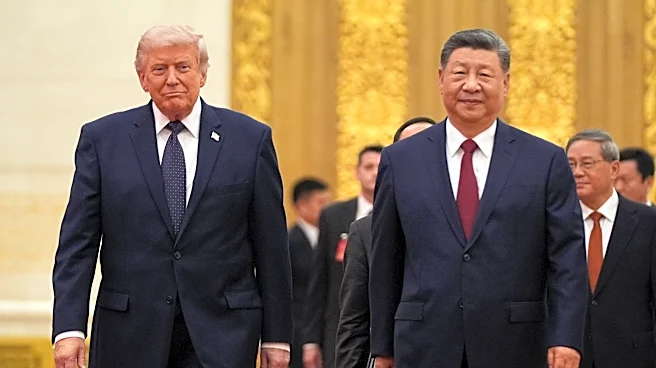
A recent court filing has revealed that the Trump administration's decision to cut $7.6 billion in funding for clean energy projects was influenced by political considerations. The Associated Press reported that the cuts targeted projects in 16 states
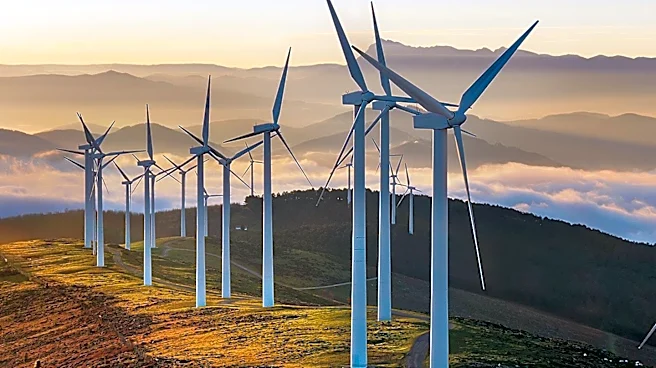
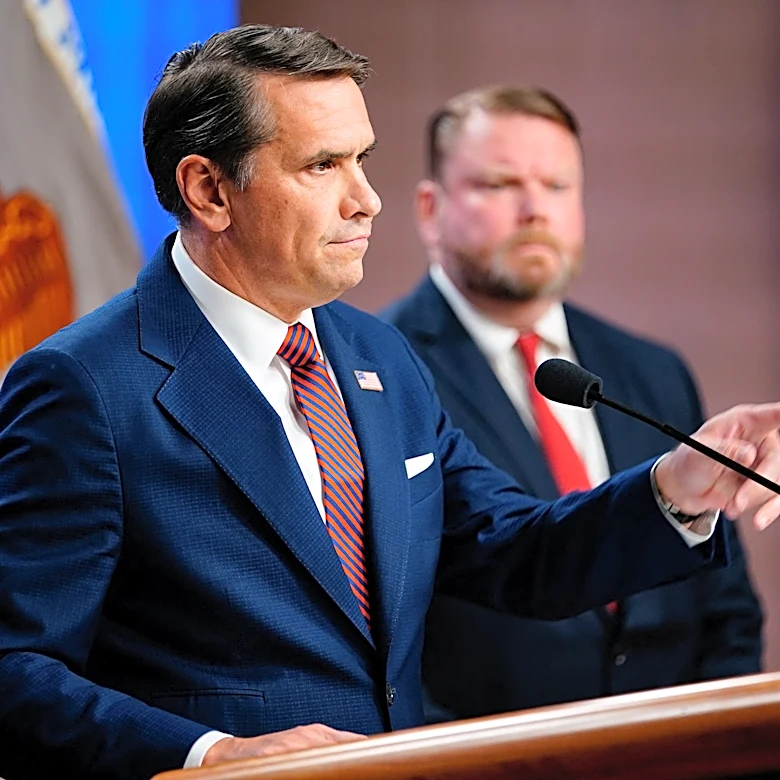
that were won by Democrat Kamala Harris in the 2024 presidential election. This contradicts previous statements by Energy Secretary Chris Wright, who claimed the cuts were based on business decisions. The funding cuts affected projects related to battery manufacturing, hydrogen technology, electric grid upgrades, and carbon capture. The decision has sparked criticism from Democratic lawmakers, including Rep. Marcy Kaptur and Sen. Patty Murray, who argue that the cuts were politically motivated.
Why It's Important?
The funding cuts have significant implications for the affected states, which include California, New York, and Washington. These projects were expected to create jobs, lower energy costs, and contribute to cleaner air and more resilient power systems. The cancellation of these projects could lead to higher utility bills, fewer job opportunities, and slower progress in transitioning to cleaner energy systems. The revelation of political bias in the decision-making process raises concerns about the integrity of federal funding allocations and the potential for political motivations to override project quality and necessity.
What's Next?
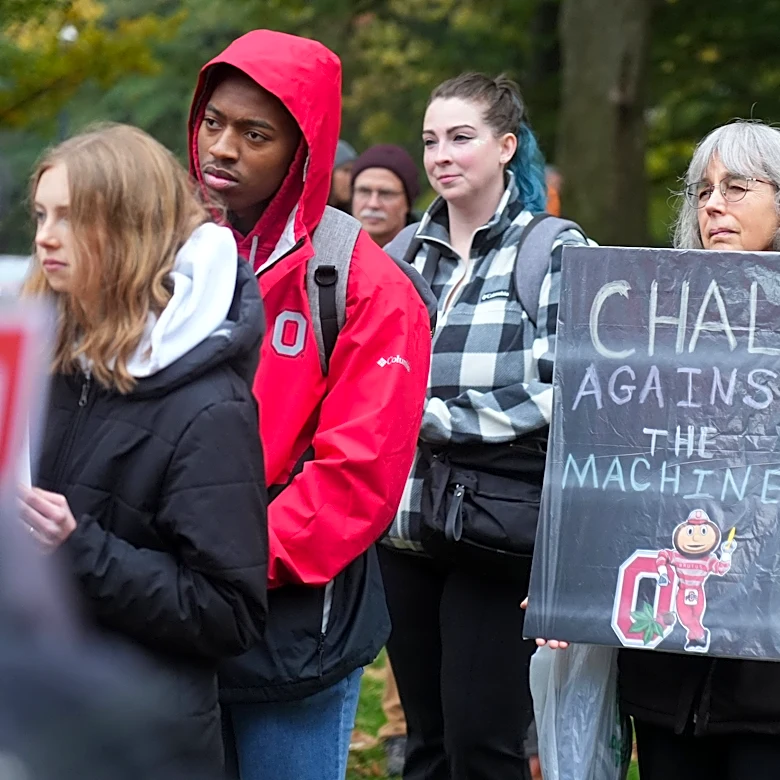
The cuts have been challenged in court, with ongoing cases such as Thakur v. Trump. Lawmakers are calling for oversight, and more than two dozen Democratic members of Congress have requested an investigation by the Energy Department's acting inspector general. The department's watchdog has already opened an investigation. The outcome of these legal and oversight actions could influence future funding decisions and the administration's approach to energy policy.