



What's Happening?
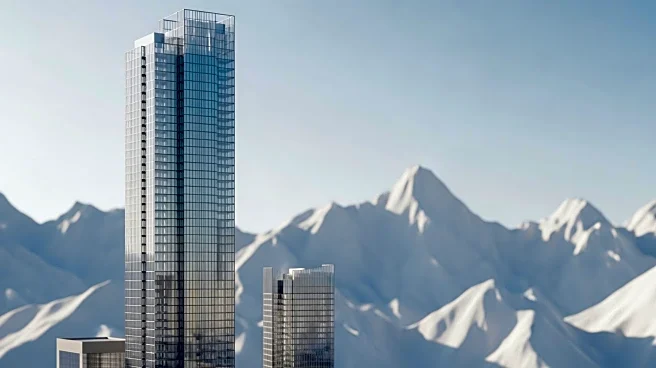
A new skyscraper, Lina Peak, is proposed for the mountain village of Zermatt in the Swiss Alps. Designed by architect Heinz Julen, the tower is planned to rise to 260 meters, comparable to the height of New York City's Rockefeller Center. The project
aims to provide affordable housing for locals, with 500 apartments offering panoramic views of the Matterhorn. The development is intended to relieve pressure on Zermatt by creating space and reducing congestion. The proposal includes measures to ensure long-term affordability, such as capping price increases at two percent per year and maintaining 50 percent of apartments as affordable housing.
Why It's Important?
The Lina Peak project addresses the critical issue of housing affordability in Zermatt, where market prices are significantly higher than real value. By providing affordable housing options, the project aims to support local residents and employees, potentially easing the housing crisis in the area. The development also seeks to balance social diversity and economic viability, offering a model that could be replicated in other regions facing similar challenges. Additionally, the project includes infrastructure improvements, such as a gondola connection, to enhance guest management and reduce congestion in the village center.
What's Next?
Further geological assessments are required to quantify natural hazards and design protective structures for the Lina Peak project. The proposal will likely undergo additional scrutiny and adjustments to ensure feasibility and safety. Stakeholders, including local government and residents, may engage in discussions to address concerns and refine the project's details. The development's impact on Zermatt's housing market and community dynamics will be closely monitored as the project progresses.
Beyond the Headlines
The Lina Peak project highlights the broader issue of housing affordability in tourist destinations, where high demand can drive up prices and limit access for locals. The initiative reflects a growing trend towards sustainable and inclusive development, aiming to balance economic growth with social equity. The project's emphasis on affordability and community integration may influence future urban planning and development strategies in similar regions.