


What's Happening?
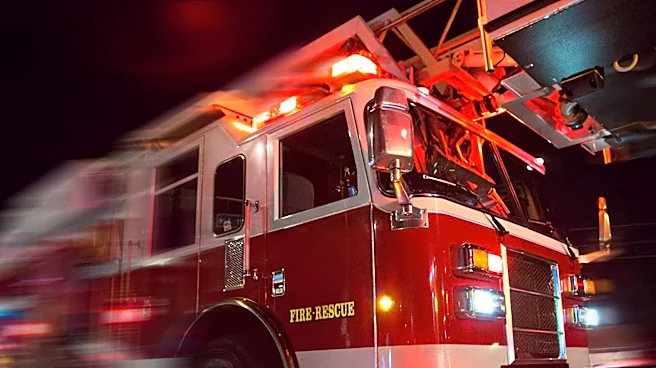
The Columbus Fire Department (CFD) conducted a large-scale water rescue operation along Gender Road in southeast Columbus following significant flooding of Blacklick Creek. The incident, described as a 'major medical emergency water rescue,' began after
two homeless camps in the area were submerged by water reportedly 5 to 10 feet deep. Initial reports indicated five people and a dog were missing. During the rescue efforts, two individuals were saved from the floodwaters and transported to a hospital in stable condition, primarily due to exposure to cold water. Two Columbus police officers also required assistance after becoming stuck in the water. Over 100 firefighters, supported by a Columbus police helicopter and a CFD drone team, were involved in the search. Dive teams were not deployed due to the rapid movement of the water. All five previously reported missing individuals and the dog were later found safe, though not in the floodwaters, concluding the search as a 'best-case scenario.'
Why It's Important?
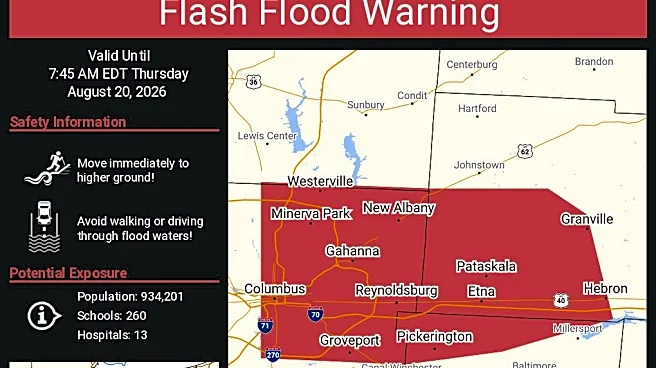
This event highlights the severe and immediate dangers posed by flash flooding, particularly to vulnerable populations such as those living in homeless encampments near waterways. The rapid rise of Blacklick Creek, reaching depths of 5 to 10 feet, underscores the unpredictable and destructive power of natural disasters. The coordinated response involving over 100 firefighters, police, and specialized equipment like helicopters and drones, demonstrates the critical need for robust emergency services and inter-agency cooperation in urban areas. The incident also brings attention to the broader issue of homelessness and the lack of safe, stable housing options, which forces individuals into precarious living situations susceptible to environmental hazards. The activation of the Franklinton floodwall and the closure of major roadways like I-71, Greenlawn, and Harmon avenues further illustrate the widespread disruption and infrastructure challenges that heavy rainfall and flooding can inflict on a city's daily operations and economy.
What's Next?
Following the successful rescue and location of all individuals, the immediate focus will likely shift to assessing the damage to the affected areas and providing support to those displaced from the flooded homeless camps. Emergency services will continue to monitor water levels and weather conditions, especially with ongoing heavy rains, to prevent further incidents. City officials may review existing flood mitigation strategies and emergency response protocols to identify any areas for improvement. There could also be increased discussions and initiatives aimed at addressing the housing crisis for the homeless population, particularly in areas prone to natural disasters. The Columbus Police Department will continue any necessary follow-up investigations, though it has been confirmed that the located individuals will not face inducing panic charges. The community will likely see continued efforts to manage the aftermath of the flooding, including potential clean-up operations and support services for affected residents.
Beyond the Headlines
This incident sheds light on the often-overlooked vulnerability of homeless populations to environmental disasters. While the immediate crisis of the flood is addressed, the underlying issues that lead individuals to establish camps in flood-prone areas remain. This event could spark broader conversations about urban planning, disaster preparedness for marginalized communities, and the ethical responsibilities of cities to protect all its residents, regardless of their housing status. The rapid and extensive emergency response, while commendable, also points to the significant resources required to manage such crises, raising questions about proactive measures versus reactive interventions. Furthermore, the activation of the Franklinton floodwall and the closure of major transportation arteries highlight the interconnectedness of urban infrastructure and the cascading effects of natural events on commerce, daily commutes, and public safety. This situation serves as a stark reminder of the human cost of climate-related events and the persistent challenges of social inequality.