








What's Happening?
Public Citizen has released a new set of fact sheets detailing the impact of the NAFTA-WTO era and current trade policies on U.S. states, with Rhode Island identified as one of the hardest-hit. According to the report, Rhode Island ranks first in the percentage
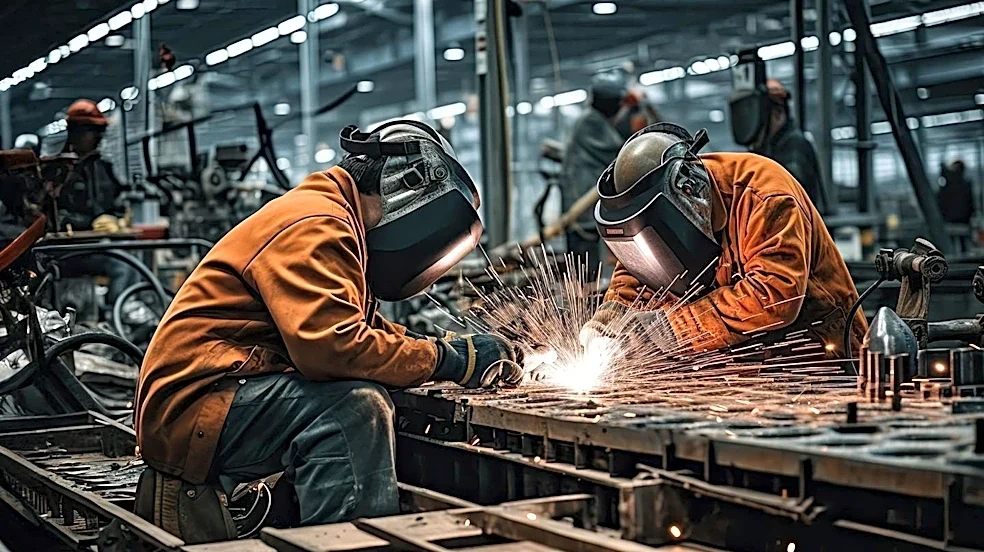
of manufacturing jobs lost, experiencing a 52.5% decline, which translates to over 43,000 jobs. The state also ranks third in the largest drop in manufacturing jobs as a percentage of all non-farm jobs, with a 59.8% reduction. These findings underscore the severe consequences of trade policies on manufacturing employment, union membership, and local economies across the nation.
Why It's Important?
The Public Citizen report is important because it quantifies the significant economic disruption caused by trade policies in states like Rhode Island. The loss of over 43,000 manufacturing jobs in Rhode Island alone represents a substantial blow to the state's industrial base and workforce. This decline has broader implications for working-class communities, leading to depressed wages, shuttered factories, and a weakening of union membership. The report's emphasis on the NAFTA-WTO era highlights a long-term trend of outsourcing and deindustrialization that has profoundly reshaped the U.S. economic landscape. For policymakers, these findings serve as a critical reminder of the need to consider the social and economic impacts of trade agreements on local communities and to implement policies that support domestic job creation and worker protections. The ongoing impacts of these losses continue to influence political discourse, particularly in post-industrial and rural areas.
What's Next?
The Public Citizen report aims to inform ongoing debates about trade policy and its effects on American workers and communities. While the report highlights past and current impacts, it implicitly calls for a re-evaluation of trade strategies to prevent further job losses and economic instability. Future policy discussions may focus on strengthening domestic manufacturing, reauthorizing worker assistance programs like Trade Adjustment Assistance, and implementing trade agreements that prioritize fair labor practices and environmental standards. The data presented could also fuel advocacy efforts by labor unions and community organizations seeking greater protections for workers and investments in affected regions. The report's findings are particularly relevant in political battleground areas, where the economic well-being of working-class voters often plays a decisive role in elections.
Beyond the Headlines
The Public Citizen report delves into the less obvious implications of trade policy, revealing how economic shifts can lead to profound social and cultural changes. The decimation of manufacturing jobs not only impacts individual livelihoods but also erodes community identity and social cohesion in historically industrial towns. The decline in union membership, as noted in the report, weakens a key institution that has historically advocated for worker rights and fair wages, potentially contributing to increased income inequality. The report implicitly raises ethical questions about the responsibility of governments and corporations to protect domestic workforces in an increasingly globalized economy. The long-term consequences include a widening skills gap, increased reliance on service-sector jobs, and a persistent sense of economic insecurity among segments of the population, all of which can contribute to political polarization and social unrest.