

What's Happening?
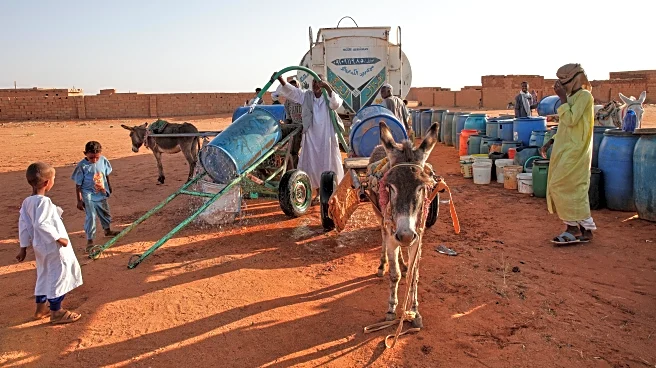
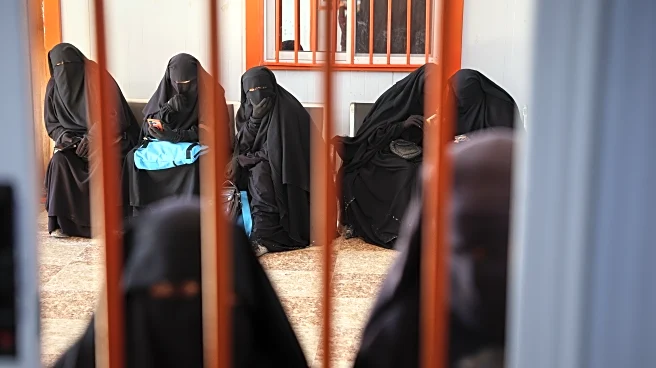
The United Nations has reported that women in Sudan are disproportionately affected by the country's acute hunger crisis. Female-headed households are three times more likely to experience food insecurity, with many reporting insufficient food. The ongoing
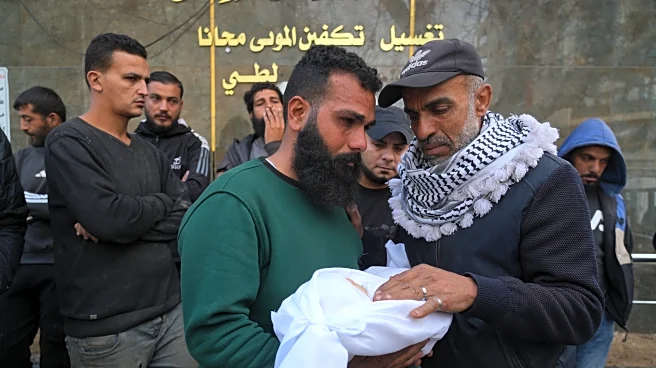
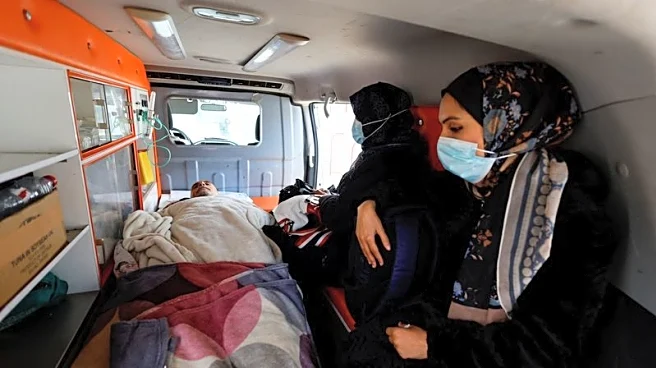
conflict, which has lasted over 1,000 days, exacerbates pre-existing gender inequalities. The UN has called for international aid to address the crisis, particularly in the cities of al-Fashir and Kadugli, which are facing famine. Over 21 million people in Sudan are acutely food insecure, with half of the 34 million in need of humanitarian support being children.
Why It's Important?
This crisis highlights the severe humanitarian challenges facing Sudan, particularly for women who are already vulnerable due to gender inequalities. The situation underscores the need for urgent international intervention to prevent further deterioration. The focus on female-headed households reveals the gendered nature of food insecurity, which could have long-term social and economic impacts. Addressing this crisis is crucial for stabilizing the region and ensuring the well-being of millions of affected individuals, particularly women and children.