

What's Happening?
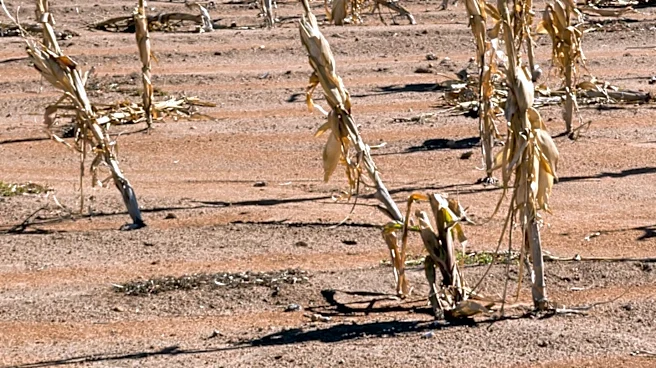
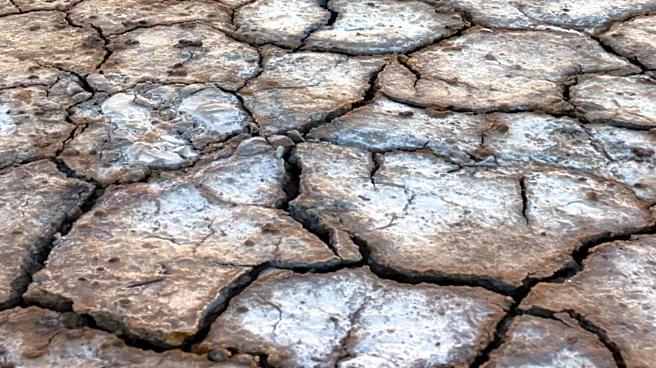
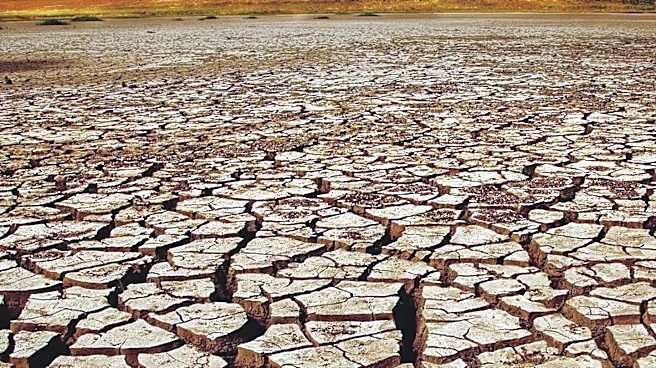
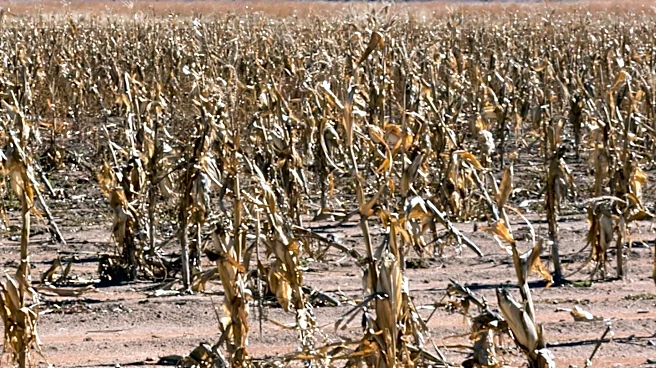
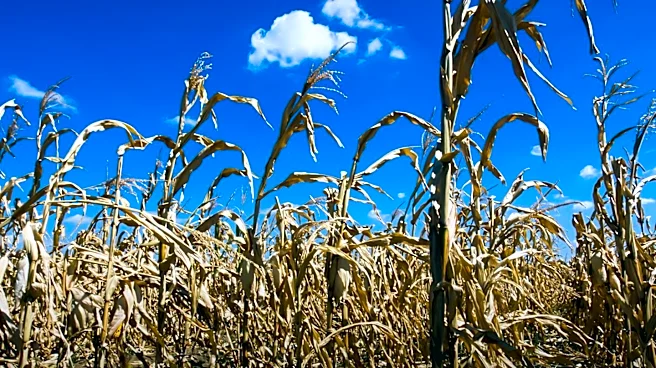
The UK is experiencing one of its driest months on record, with relentless heatwaves turning vast areas of England and Wales brown. The drought conditions have led to significant challenges for farmers, who are forced to harvest early or risk losing crops
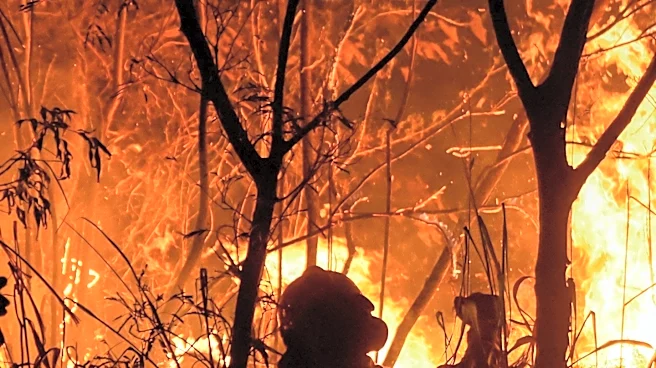
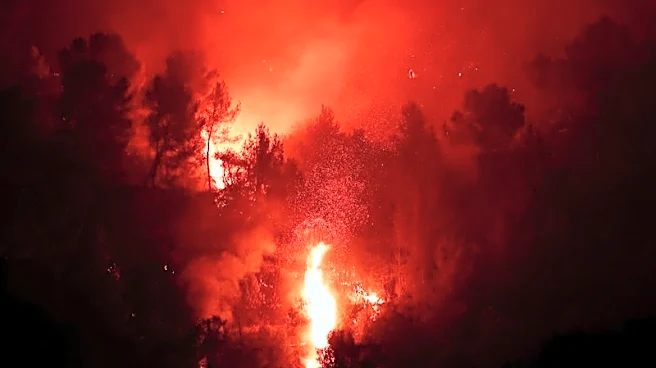
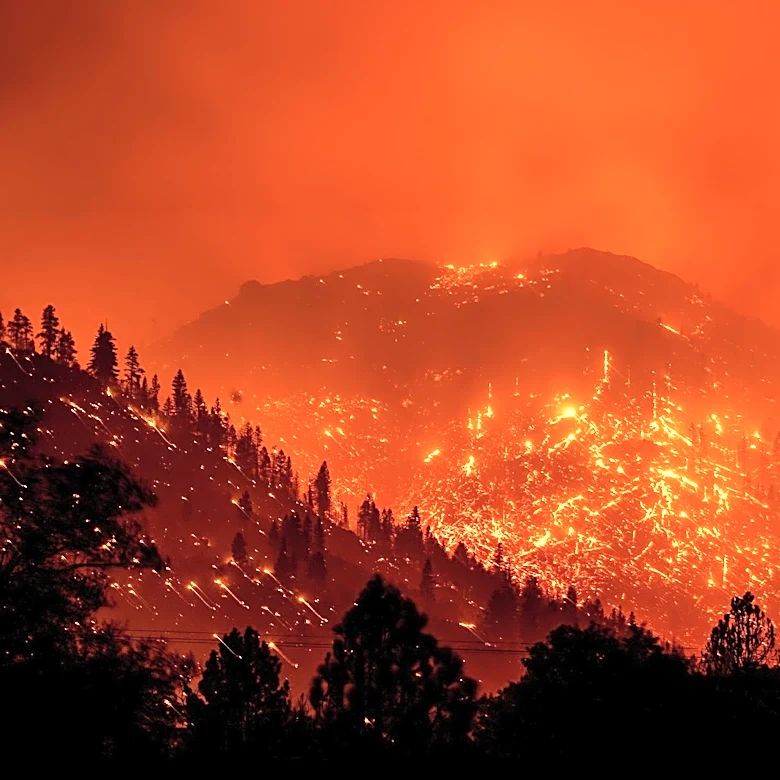
due to water shortages. The heat has also fueled wildfires, with the North Wales Fire and Rescue Service reporting a 47% increase in fires compared to the previous year. Despite the dry conditions, water companies do not anticipate a threat to drinking water supplies, thanks to record winter rainfall keeping reservoirs at expected levels.
Why It's Important?
The ongoing drought and heatwaves in the UK highlight the immediate impacts of climate change on agriculture and natural resources. Farmers face economic losses due to reduced crop yields and increased costs for irrigation. The wildfires pose a threat to wildlife and protected habitats, while also straining emergency services. These conditions underscore the need for long-term planning and adaptation strategies to mitigate the effects of climate change. The situation in the UK serves as a warning for other regions, including the U.S., about the potential consequences of extreme weather patterns.
What's Next?
As the UK continues to grapple with drought and heatwaves, there is an urgent need for policies that address water management and climate resilience. Farmers may need to adopt new agricultural practices to cope with changing weather patterns. The government and environmental agencies are likely to focus on developing strategies to prevent future water shortages and protect natural habitats. Additionally, public awareness campaigns may be launched to encourage water conservation and sustainable practices. The situation may also prompt international discussions on climate change mitigation and adaptation efforts.
Beyond the Headlines
The current climate conditions in the UK reveal deeper issues related to global climate change. The increased frequency and intensity of heatwaves and droughts highlight the need for comprehensive climate policies that address both mitigation and adaptation. The situation also raises ethical questions about resource allocation and the responsibility of developed nations to lead in climate action. As the impacts of climate change become more pronounced, there may be a shift towards more sustainable practices and technologies in agriculture and other industries.