




What's Happening?
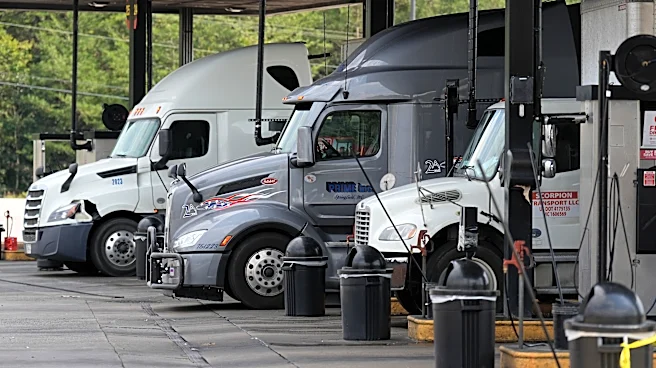
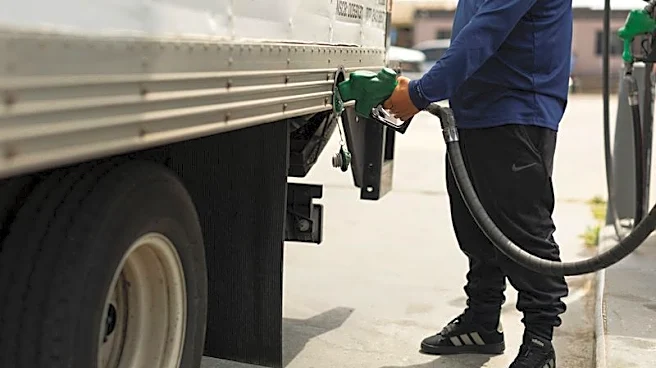
President Trump is considering a ban on U.S. diesel exports in response to record-high diesel prices, which have surged 83% this year. Republican lawmakers, including Senator Chuck Grassley and Representative Tim Burchett, have publicly called for an embargo
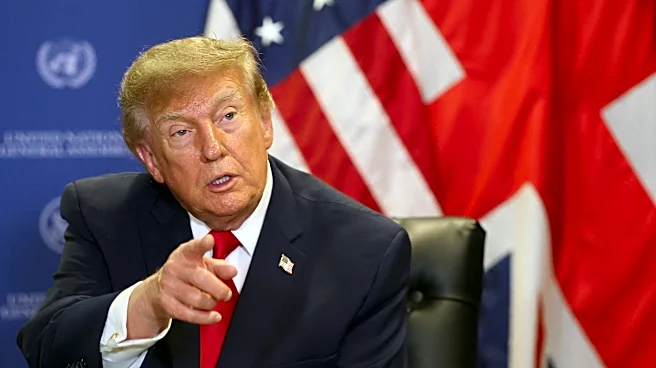
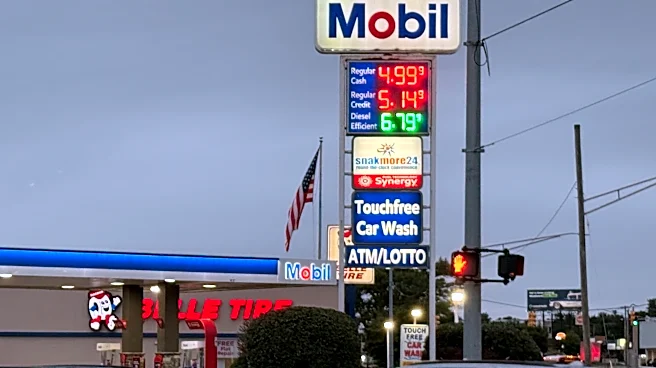
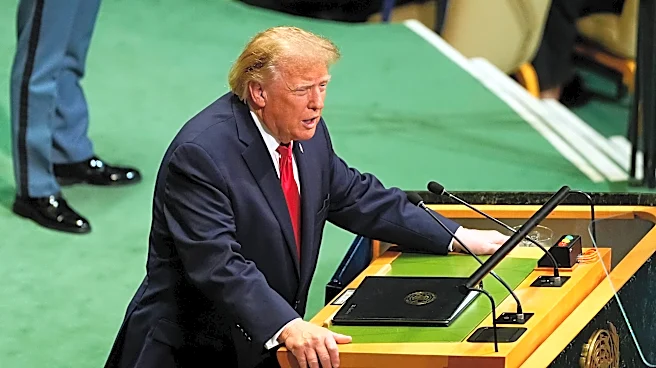
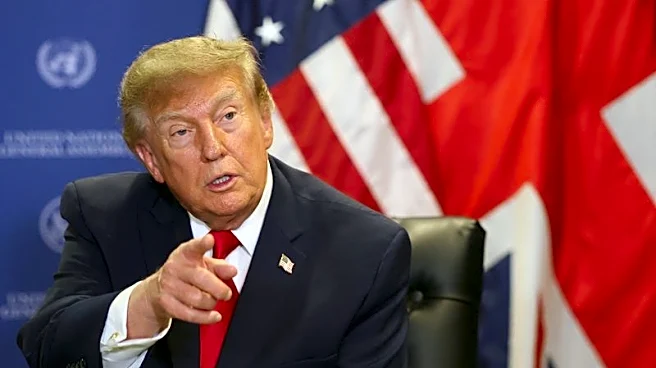
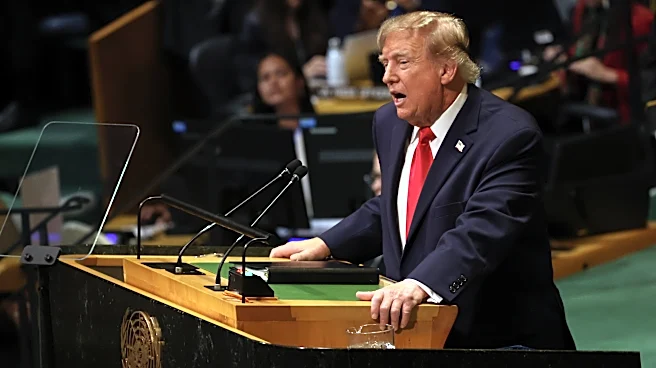
on diesel exports to alleviate the financial strain on sectors like farming. President Trump has indicated his support for halting exports, stating, “I’ve said let’s not send out the diesel.” This consideration comes as diesel, a critical fuel for transportation and industry, has seen its price spike above $6.50 a gallon, nearing inflation-adjusted highs not seen since 2008. The price surge is attributed to a combination of factors, including the Iran war disrupting Middle Eastern diesel exports, Ukrainian drone strikes impacting Russian refineries, and export restrictions from Russia and China.
Why It's Important?
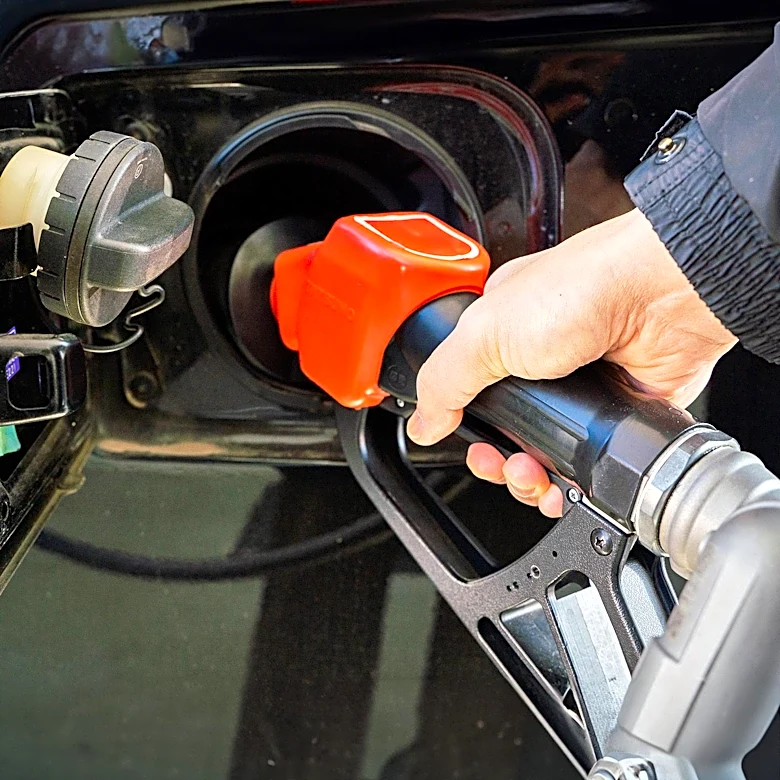
A U.S. diesel export ban, while potentially offering temporary relief for domestic prices, carries significant risks and could have severe negative repercussions. Experts warn that such a ban would likely backfire in the medium to long term, leading to unintended consequences. The U.S. is the world's largest diesel exporter, and halting these exports could cause global diesel prices to skyrocket, impacting U.S. allies in Europe and Latin America who rely on these supplies. Domestically, while Gulf Coast and Midwest prices might drop, the East and West Coasts, which depend on imports, could experience sharp price increases. Furthermore, an export ban could force U.S. refiners to reduce production, leading to higher prices and reduced supply for all fuels, including gasoline and jet fuel, and potentially causing some refiners to fail. This move could also damage America's reputation as a reliable energy supplier.
What's Next?
Despite President Trump's comments, a White House official stated that the administration is not currently considering an export ban or restrictions. However, the pressure from high diesel prices and some Republican lawmakers suggests that the option remains on the table. If a ban were implemented, it would likely trigger a scramble in global energy markets and could lead to retaliatory measures from countries that rely on U.S. diesel. The oil industry has already voiced strong opposition, with the American Petroleum Institute warning that an export ban would worsen the situation for consumers, farmers, and the broader U.S. economy. The debate highlights the complex interplay between domestic economic pressures, international energy markets, and geopolitical stability, with any decision on diesel exports having far-reaching consequences.
Beyond the Headlines
The discussion around a diesel export ban reveals a deeper tension between short-term domestic political gains and long-term economic and geopolitical stability. While a ban might offer a quick fix to high domestic prices, it risks alienating allies, disrupting global supply chains, and undermining the U.S.'s role as a stable energy provider. This situation also underscores the vulnerability of global energy markets to geopolitical events, such as the Iran war and conflicts in Eastern Europe. The push for such a drastic measure reflects the administration's challenge in managing energy prices amidst international turmoil. Experts suggest that a more effective long-term solution to high energy prices might involve addressing the root causes of global supply disruptions, such as resolving international conflicts, rather than implementing protectionist measures that could create new problems.