





What's Happening?
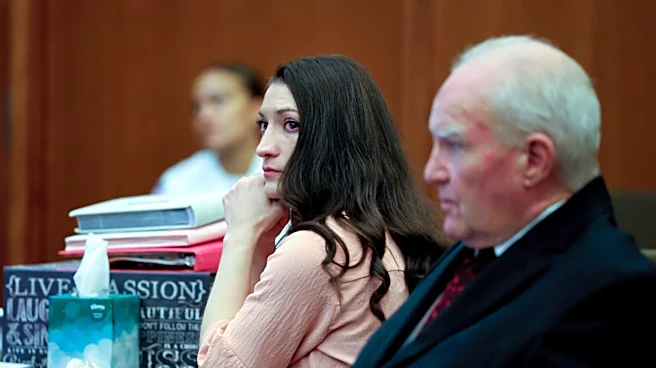
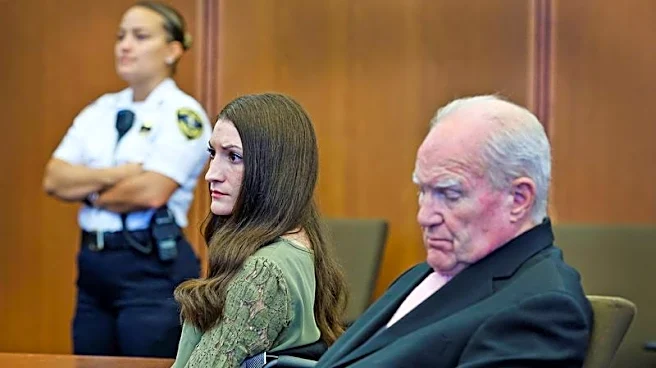
The trial of Lindsay Clancy, accused of murdering her three young children, ended in a mistrial after a lone holdout juror refused to change his vote, despite admitting to reasonable doubt. According to fellow jurors Nick Dargie and Roni Carlson (the
foreperson), this juror did not provide any evidence or witness testimony to support his stance that Clancy was guilty. The jury was split 11-1 in favor of finding Clancy not guilty by reason of insanity, aligning with the defense's argument of postpartum psychosis. Judge William Sullivan declared a mistrial after 38 hours of deliberations and multiple notes from the jury indicating a deadlock. Clancy remains in a state-run psychiatric facility, with her next hearing scheduled for September 29.
Why It's Important?
The mistrial in the Lindsay Clancy case highlights significant challenges within the U.S. justice system, particularly regarding jury deliberations and the interpretation of evidence in complex cases involving mental health. The inability of a single juror to articulate an evidence-based reason for their vote, despite acknowledging reasonable doubt, underscores potential issues with juror comprehension or adherence to legal instructions. This outcome prolongs the legal process for all parties involved and leaves the question of accountability unresolved. It also brings renewed attention to the defense of postpartum psychosis, a critical mental health issue that impacts mothers and families, and how it is understood and adjudicated in court.
What's Next?
With a mistrial declared, prosecutors will need to decide whether to pursue a new trial for Lindsay Clancy. This decision will involve re-evaluating the evidence, witness testimonies, and the potential for a different outcome with a new jury. Clancy's next hearing on September 29 will likely address procedural matters related to her ongoing detention and the prosecution's next steps. The case will continue to draw public attention, particularly from advocates for maternal mental health, who are closely watching how the legal system addresses postpartum psychosis. The outcome of any future proceedings could set precedents for similar cases involving mental health defenses.
Beyond the Headlines
This case delves into the ethical and legal complexities surrounding mental health, particularly postpartum psychosis, within the criminal justice system. The juror's inability to reconcile his personal feelings about the 'viciousness' of the act with the legal definition of reasonable doubt and insanity highlights the tension between emotional responses and legal principles. It raises questions about how juries are educated on complex medical and psychological conditions, and whether current legal frameworks adequately address the nuances of mental illness in criminal responsibility. The public discourse surrounding this case could influence future legislative efforts or judicial guidelines regarding mental health defenses, potentially leading to reforms in how such cases are handled.