



What's Happening?
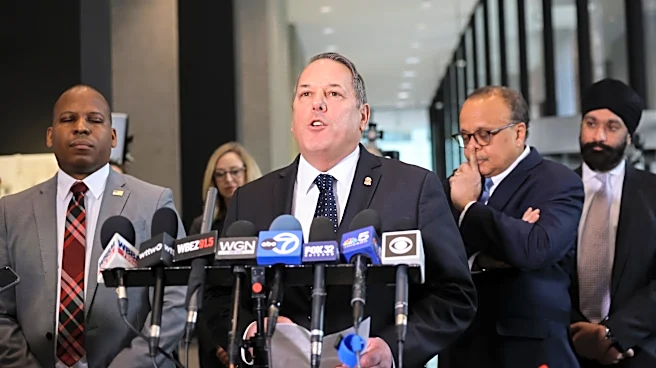
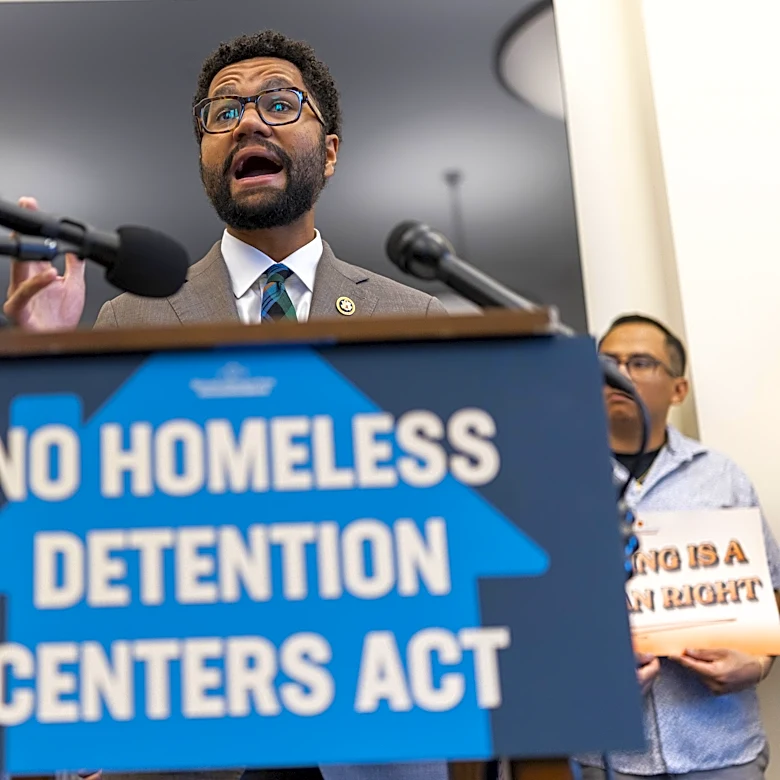
Mayor Brandon Johnson has unequivocally stated his opposition to school closures in Chicago, following the advent of the city's first-ever elected school board. In an interview with the Tribune, Johnson, a former Chicago Teachers Union organizer, warned
that the city would strongly resist any proposals to close schools. He emphasized the historical opposition to corporate control over schools and the widespread community uproar that accompanied past closures, such as Mayor Rahm Emanuel’s closure of 49 public schools in 2013. Johnson plans to engage with all members of the new school board, including President-elect Jessica Biggs, to secure more state funding for Chicago Public Schools and advocate for a millionaire tax in Illinois, reinforcing his commitment to fully funding public institutions.
Why It's Important?
Mayor Johnson's firm stance against school closures signals a potential policy clash with the newly elected school board, particularly as President-elect Jessica Biggs has indicated openness to allowing the moratorium on closures to expire. This issue is highly contentious in Chicago, with past closures having fueled significant community activism and the rise of the Chicago Teachers Union. The debate over school closures touches upon critical aspects of educational equity, community stability, and the allocation of resources within the public school system. While critics of closures point to negative impacts on student outcomes and increased gun violence in affected neighborhoods, proponents often cite declining enrollment and financial realities as justifications for consolidation. The outcome of this debate will significantly shape the future of Chicago Public Schools and could have profound social and economic implications for various communities across the city.
What's Next?
The transition to an elected school board in Chicago, coupled with Mayor Johnson's strong opposition to school closures, sets the stage for significant policy discussions and potential conflicts. Mayor Johnson intends to work with the new board to secure increased state funding for Chicago Public Schools and push for a millionaire tax in Illinois, aiming to provide stable and adequate funding without resorting to closures. However, President-elect Biggs's willingness to consider allowing the moratorium on school closures to expire suggests that the issue will remain a central point of contention. The debate will likely involve extensive community input, as Biggs has stressed that no schools would close without such engagement. The financial realities of CPS, including declining enrollment and budget considerations, will also play a crucial role in these upcoming discussions and decisions.
Beyond the Headlines
The ongoing debate over school closures in Chicago reflects a broader national challenge faced by urban school districts grappling with declining enrollment, aging infrastructure, and budget constraints. This situation highlights the tension between fiscal responsibility and community preservation, as school closures often disproportionately affect marginalized communities and can lead to long-term social and economic disruptions. The historical context of past closures and the strong community resistance underscore the deep emotional and cultural significance of neighborhood schools. The Mayor's emphasis on securing state funding and progressive taxation as alternatives to closures also points to a larger philosophical debate about how public education should be financed and sustained, potentially influencing policy discussions in other cities facing similar challenges.