



What's Happening?
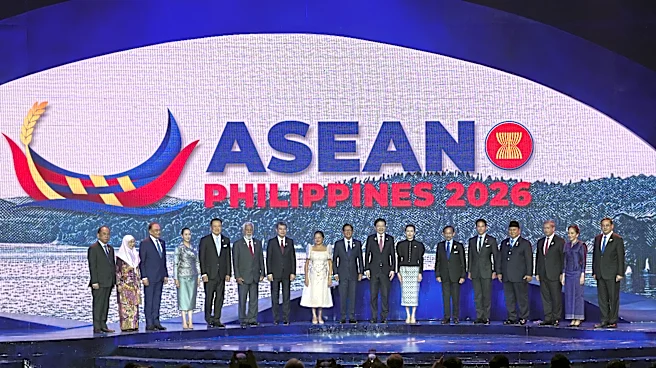
The Korea-Mekong summit has resumed after a six-year suspension, with President Lee Jae Myung co-chairing the meeting with Thai Prime Minister Anutin Charnvirakul in Manila. This gathering marks the 15th anniversary of Korea-Mekong cooperation and brings
together South Korea and five Mekong River basin countries: Cambodia, Laos, Myanmar, Thailand, and Vietnam. The summit had been on hold since 2020 due to Myanmar's political crisis following the 2021 military coup. President Lee emphasized expanding cooperation into new areas, including combating transnational crime and strengthening critical mineral supply chains. He highlighted Korea's capabilities in AI and digital technology, manufacturing networks in the Mekong region, and strong people-to-people ties as foundations for shared growth. The two sides upgraded their relationship to a strategic partnership in 2020, and despite the summit's temporary suspension, cooperation continued through the Korea-Mekong Cooperation Fund and resumed foreign ministers' meetings in 2024.
Why It's Important?
The resumption of the Korea-Mekong summit is significant for regional stability and economic development. The focus on critical minerals addresses a strategic concern for governments and manufacturers globally, as they seek to diversify access to raw materials essential for batteries, electric vehicles, and advanced technologies. This cooperation can enhance supply chain resilience for both South Korea and the Mekong nations. Furthermore, tackling transnational crime, including online scams, human trafficking, and narcotics, is crucial for regional security and the protection of citizens. South Korea's offer to share its economic development experience and technological capabilities, particularly in AI and digital technology, can provide valuable support for the Mekong countries' economic growth and modernization. This partnership also strengthens South Korea's influence in Southeast Asia, aligning with its broader foreign policy objectives and contributing to a more interconnected and secure Indo-Pacific region.
What's Next?
The summit is expected to lead to concrete action plans for cooperation in the identified areas. President Lee pledged to help Mekong countries realize their economic potential under his ASEAN-ROK Comprehensive Strategic Partnership Vision, which includes seven priority areas: culture and tourism, human resources development, agriculture and rural development, infrastructure, information and communications technology, the environment, and non-traditional security challenges. The discussions will likely result in new initiatives and agreements aimed at enhancing collaboration in these sectors. The continued operation of the Korea-Mekong Cooperation Fund and the regular foreign ministers' meetings will serve as mechanisms for implementing and monitoring these cooperative efforts. The renewed commitment to the partnership is anticipated to deepen economic ties, foster technological exchange, and strengthen regional security, with potential long-term benefits for all participating nations.
Beyond the Headlines
The re-engagement between South Korea and the Mekong nations, despite the lingering political complexities in Myanmar, underscores a pragmatic approach to regional diplomacy and economic integration. The emphasis on AI and digital technology reflects a forward-looking strategy to leverage technological advancements for development, potentially bridging digital divides and fostering innovation across the region. The focus on critical mineral supply chains highlights the increasing geopolitical importance of resource security and the efforts by nations to secure essential materials for future industries. This partnership also subtly navigates the broader geopolitical landscape, where countries are seeking to diversify alliances and economic partnerships amidst global uncertainties. The summit's return signals a recognition of the mutual benefits of cooperation, even in the face of internal political challenges within member states, demonstrating a commitment to sustained regional engagement.