






What's Happening?
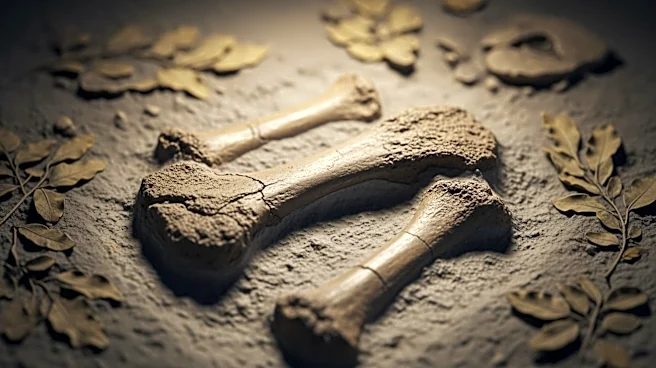
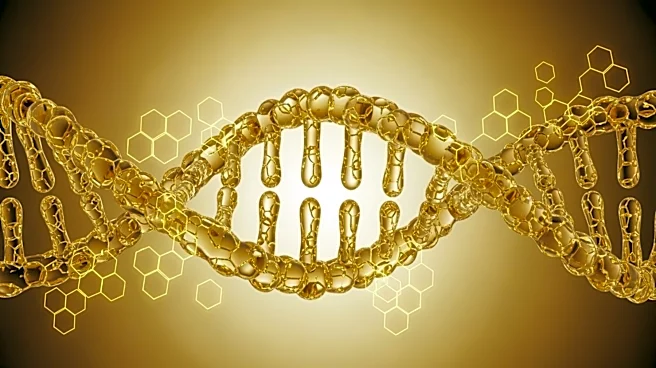
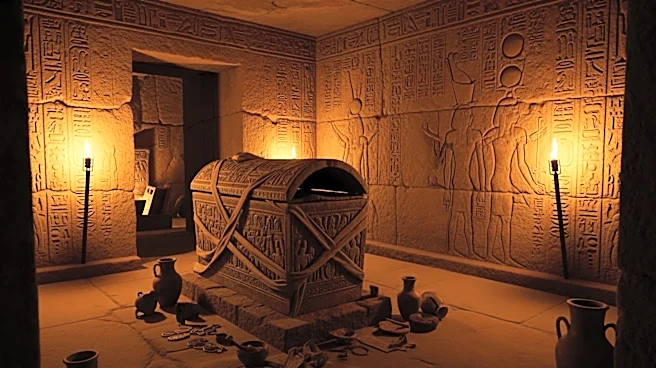
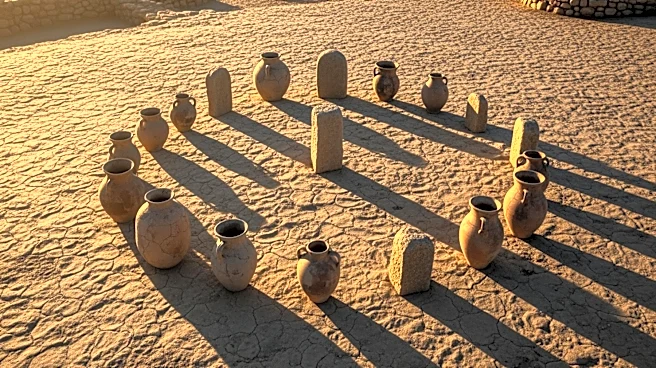
Recent archaeological research has uncovered that ancient family structures were not solely based on genetic ties. By analyzing burial practices and genetic data from ancient remains, researchers found that individuals not related by blood were often
treated as family members. This challenges the traditional view that kinship in ancient societies was primarily determined by biological descent. The study, led by Sabina Cveček, highlights the importance of considering cultural and social factors in understanding ancient family dynamics. The findings are part of a special issue in the Cambridge Archaeological Journal, which explores the complexities of kinship beyond genetic relationships.
Why It's Important?
This research provides a broader understanding of ancient societies, emphasizing that family bonds were complex and not limited to genetic connections. This insight is crucial for anthropologists and archaeologists as it challenges the Western-centric view of kinship and encourages a more inclusive approach to studying ancient cultures. The findings have implications for modern society, as they reflect the diverse nature of family structures today, where non-biological relationships play a significant role. This research could influence how we interpret historical data and understand the social dynamics of past civilizations.