








What's Happening?
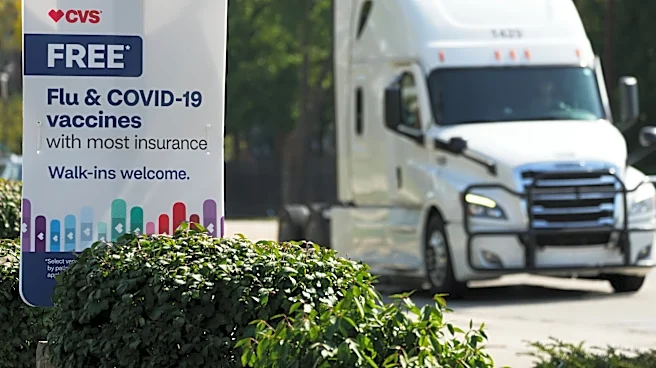
A study on the effectiveness of the COVID-19 vaccine, initially blocked from publication by the CDC, has been released in JAMA Network Open. Conducted by researchers from multiple states, the study assessed the 2025-26 vaccine's effectiveness among adults
without weakened immune systems. It found that the updated vaccines reduced the risk of COVID-19 hospitalization by 55% and emergency visits by 50%. The study's methodology, a test-negative design, was questioned by CDC officials, leading to its initial blockage. However, experts argue that this method is a valid approach to evaluating vaccine effectiveness.
Why It's Important?
The publication of this study is crucial as it provides evidence supporting the effectiveness of the COVID-19 vaccine in reducing severe illness. The initial blockage by the CDC raises questions about transparency and the dissemination of scientific findings, which are vital for public trust in health recommendations. The study's findings align with previous research, reinforcing the vaccine's role in preventing severe disease and supporting public health efforts to encourage vaccination. The controversy highlights the need for clear communication and rigorous evaluation of scientific data to guide public health policies.