
What's Happening?
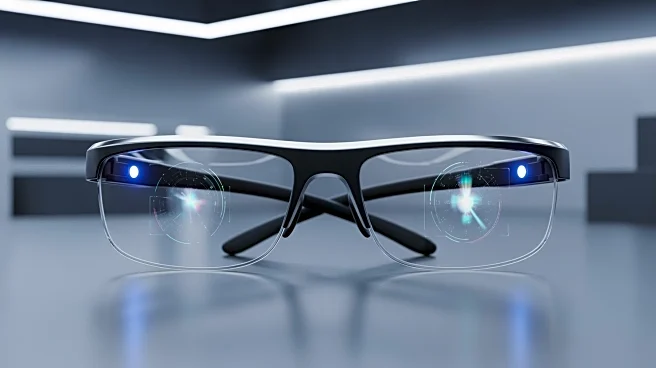
In 2025, a new wave of lower-cost AR glasses, including RayNeo's X3 Pro, is entering the market, aiming to provide functional augmented reality at a more affordable price point. These glasses are designed
to undercut premium models by offering smart displays and improved battery life, focusing on utility rather than fashion. The RayNeo X3 Pro has been praised in early reviews for its real-world features, making it a viable option for budget-conscious buyers seeking usable AR technology. The excitement around these smart glasses is growing, with retail momentum and holiday buying pushing them from labs into shopping carts. The market now offers a range of options from affordable display glasses to developer-focused AR kits, with some models surprising consumers by undercutting premium pricing.
Why It's Important?
The introduction of affordable AR glasses like RayNeo's X3 Pro is significant as it democratizes access to augmented reality technology, which has traditionally been dominated by high-priced models. This shift could lead to broader adoption of AR technology among consumers and developers, potentially accelerating innovation and application development in the AR space. By focusing on utility and affordability, these glasses cater to a wider audience, including early adopters and developers who can now experiment with AR without the financial barrier of premium pricing. This could result in a more diverse range of AR applications and increased integration of AR into everyday life, impacting industries such as retail, gaming, and education.
What's Next?
As these affordable AR glasses gain traction, we can expect increased competition among manufacturers to offer more features at lower prices. This could lead to further advancements in AR technology, such as improved display quality, longer battery life, and enhanced user interfaces. Major tech companies may respond by adjusting their pricing strategies or accelerating the development of their own affordable AR solutions. Additionally, the growing popularity of AR glasses could spur the development of new applications and content tailored to these devices, further integrating AR into various aspects of daily life.
Beyond the Headlines
The rise of affordable AR glasses may also have cultural implications, as they become more accessible to a broader demographic. This could lead to new forms of social interaction and content creation, as users explore the possibilities of augmented reality in their personal and professional lives. Moreover, the increased use of AR technology could raise ethical and privacy concerns, particularly regarding data collection and user tracking. As AR glasses become more prevalent, it will be important for manufacturers and policymakers to address these issues to ensure responsible use of the technology.