




What's Happening?
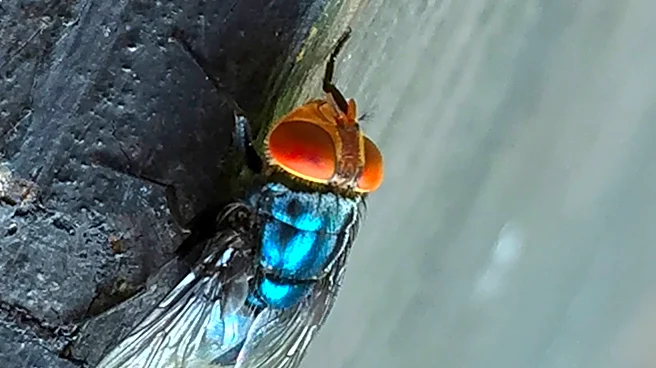
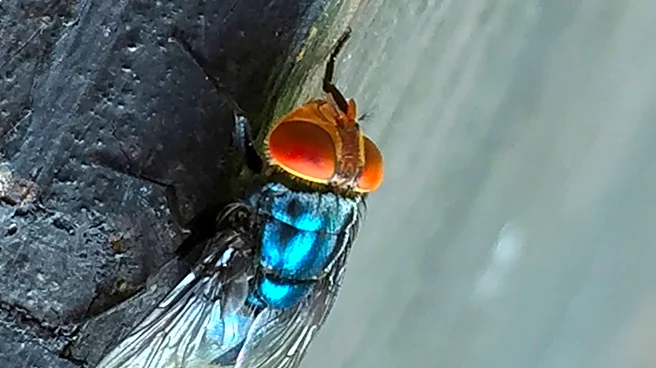
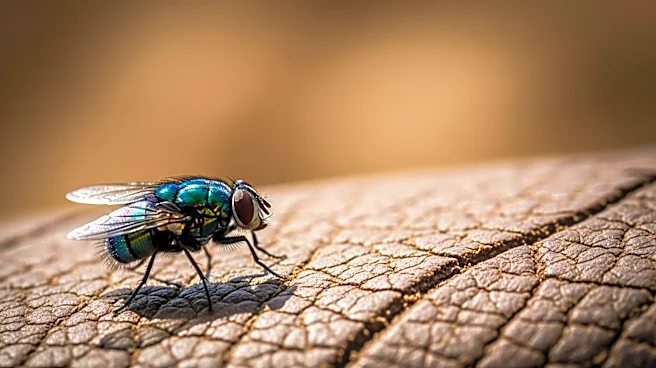
The U.S. Department of Agriculture’s (USDA) Animal and Plant Health Inspection Service (APHIS) has confirmed the detection of a New World screwworm (NWS) in a bovine in Zavala County, Texas. This pest, which affects livestock, pets, wildlife, and occasionally
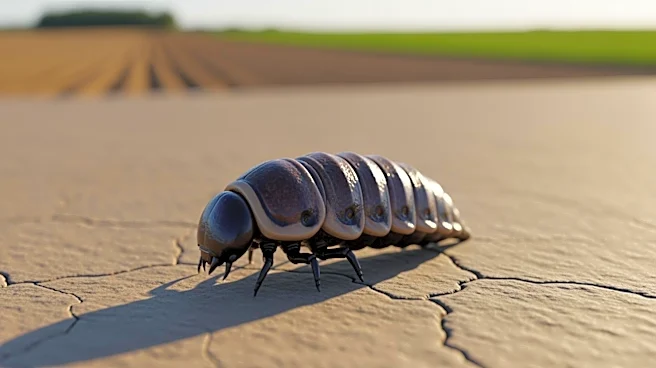
humans, was found in a 3-week-old calf. The larvae of the screwworm burrow into the flesh of living animals, causing significant damage and economic losses. This marks the first detection of NWS in the United States in decades, prompting immediate responses from agricultural groups. R-CALF USA and the National Cattlemen’s Beef Association (NCBA) have both issued statements emphasizing the need for a coordinated response to protect livestock and the national food supply. Measures are being taken to eradicate the pest, including building a domestic sterile fly facility and increasing fly surveillance.
Why It's Important?
The detection of the New World screwworm in Texas is significant due to its potential impact on the U.S. livestock industry. The pest poses a threat to animal health and can lead to substantial economic losses for cattle producers. The re-emergence of this pest, which was previously eradicated in the 1960s, highlights the vulnerability of the livestock sector to invasive species. The USDA and agricultural groups are mobilizing resources to prevent the spread of the screwworm, which could affect the national cattle herd and the broader food supply chain. The situation underscores the importance of vigilance and rapid response in protecting agricultural interests and maintaining food security.
What's Next?
Efforts to eradicate the New World screwworm will involve increased surveillance and the use of sterile fly dispersal techniques, which were successful in the past. The USDA and agricultural organizations are working to expedite the availability of necessary treatments and drugs for affected cattle. Producers are urged to monitor their livestock closely and report any suspected cases. The situation may lead to increased collaboration between U.S. and Mexican authorities to control the pest's spread across borders. Continued investment in biosecurity measures and research will be crucial in preventing future outbreaks.