
What's Happening?
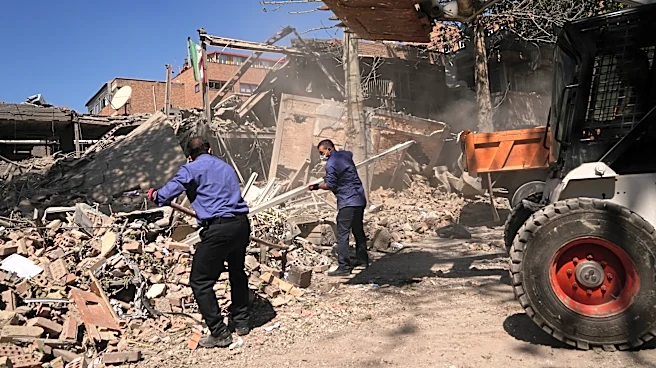
The U.S. military has conducted extensive operations against Iranian military targets, reportedly hitting over 13,000 targets, including air defenses, navy, and weapons factories. Despite these efforts,
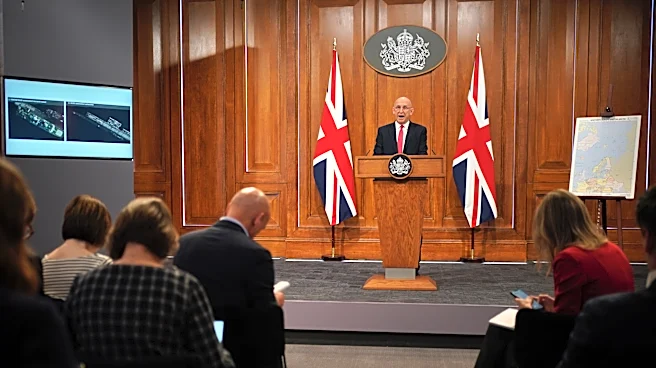
Iran retains some military capabilities, as acknowledged by U.S. officials. General Dan Caine, chairman of the Joint Chiefs of Staff, reported that about 80% of Iran's air defense systems have been destroyed, but Iran still possesses the ability to strike back. The operations have also targeted Iran's naval capabilities, with a significant portion of its navy reportedly sunk.
Why It's Important?
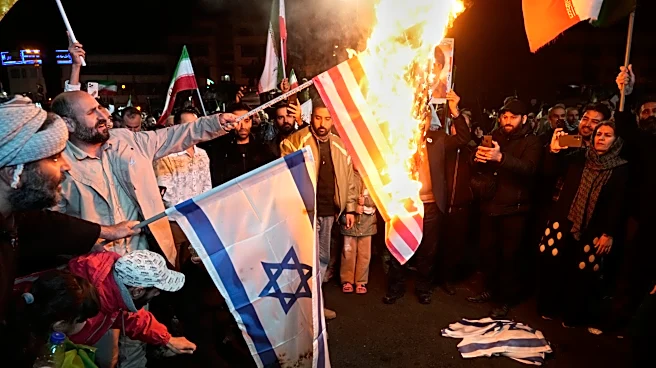
The U.S. military's extensive operations in Iran highlight the ongoing strategic challenges in the region. While significant damage has been inflicted on Iran's military infrastructure, the persistence of some capabilities suggests that Iran remains a potential threat. This situation underscores the complexity of achieving a decisive military victory and the need for continued vigilance. The operations also have implications for U.S. foreign policy, as they may influence diplomatic negotiations and regional alliances. The ability of Iran to maintain some military capabilities could affect the balance of power in the Middle East and impact U.S. strategic interests.
What's Next?
The U.S. may need to continue its military presence in the region to ensure compliance with the ceasefire and prevent Iran from rebuilding its military capabilities. Diplomatic efforts could focus on securing a more permanent resolution to the conflict, potentially involving negotiations with regional powers. The U.S. may also need to enhance its missile defense systems and strengthen alliances with regional partners to counter any potential threats. The situation calls for a comprehensive approach that combines military, diplomatic, and economic strategies to address the complex challenges in the region.