





What's Happening?
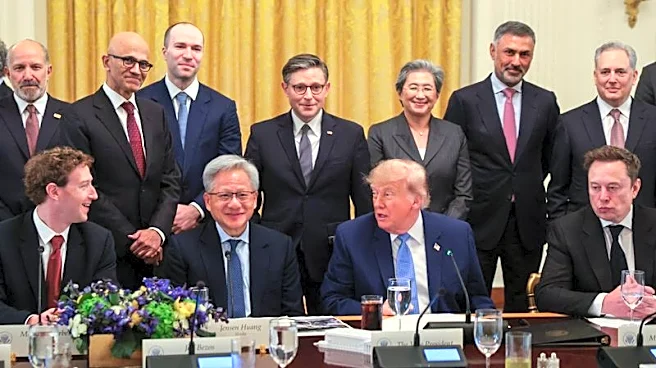
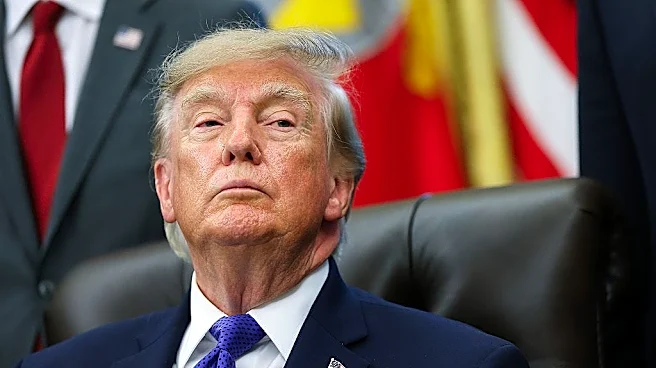
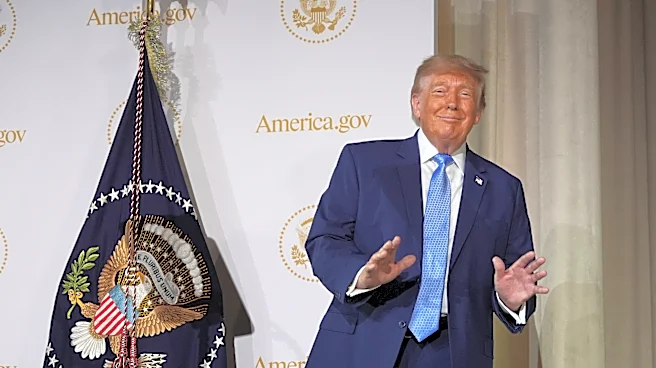
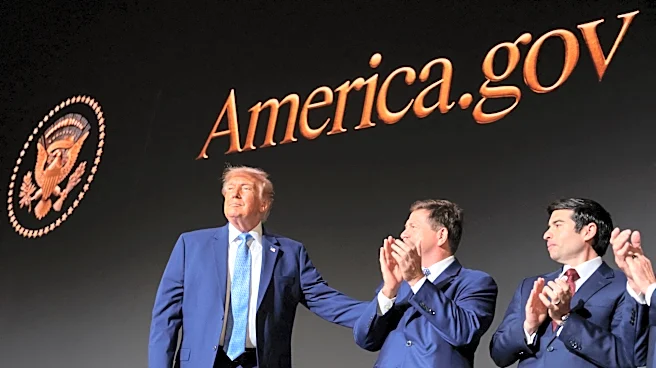
President Donald Trump has announced that he and a significant group of leaders from artificial intelligence (AI) companies have signed a voluntary accord. This agreement is designed to facilitate the self-policing of AI development within these companies.
The accord includes provisions for both internal and external reviews of the technology being developed. This initiative aims to establish a framework for responsible AI advancement, relying on the participating companies to regulate their own progress and ensure ethical considerations are met. The announcement highlights a collaborative effort between the U.S. government and the private sector to address the evolving landscape of artificial intelligence.
Why It's Important?
This voluntary accord signifies a notable step in the U.S. approach to regulating emerging technologies, particularly artificial intelligence. By opting for a self-policing model rather than immediate government mandates, the administration is signaling a preference for industry-led solutions. This could foster innovation by allowing tech companies greater flexibility in their development processes, potentially accelerating the pace of AI advancements. However, it also places a significant responsibility on these companies to uphold the terms of the accord and ensure robust internal and external review mechanisms are in place. The success of this model will depend on the commitment of the participating firms and the effectiveness of their self-regulatory practices. The initiative could set a precedent for how future technological advancements are governed in the U.S., balancing innovation with oversight.
What's Next?
The immediate next steps will involve the participating AI companies implementing the internal and external review processes outlined in the voluntary accord. It is expected that these companies will begin establishing or strengthening their self-regulatory frameworks to comply with the agreement. The effectiveness of these measures will likely be monitored, though the exact mechanisms for oversight under a 'voluntary' accord are yet to be fully detailed. Future discussions may focus on the outcomes of these self-policing efforts and whether they adequately address the complexities and potential risks associated with AI development. Depending on the success and challenges encountered, there could be further calls for more formal regulatory measures or adjustments to the current voluntary framework.
Beyond the Headlines
This accord touches upon the broader philosophical debate surrounding the regulation of rapidly advancing technologies. The decision to pursue a voluntary, self-policing model reflects a trust in the industry's capacity for ethical self-governance, but it also raises questions about accountability and the potential for conflicts of interest. The long-term implications could include shaping public perception of AI development, influencing international standards for AI regulation, and potentially impacting the competitive landscape within the tech sector. The balance between fostering innovation and ensuring public safety and ethical use of AI will be a continuous challenge, and this accord represents one approach to navigating that complex terrain. The success or failure of this model could significantly influence future policy decisions regarding AI and other cutting-edge technologies.