





What's Happening?
The Florida Department of Health in Citrus County (DOH-Citrus) has issued a mosquito-borne illness alert following the confirmation of two locally-acquired cases of dengue. In response, DOH-Citrus is collaborating with Citrus County Mosquito Control to enhance
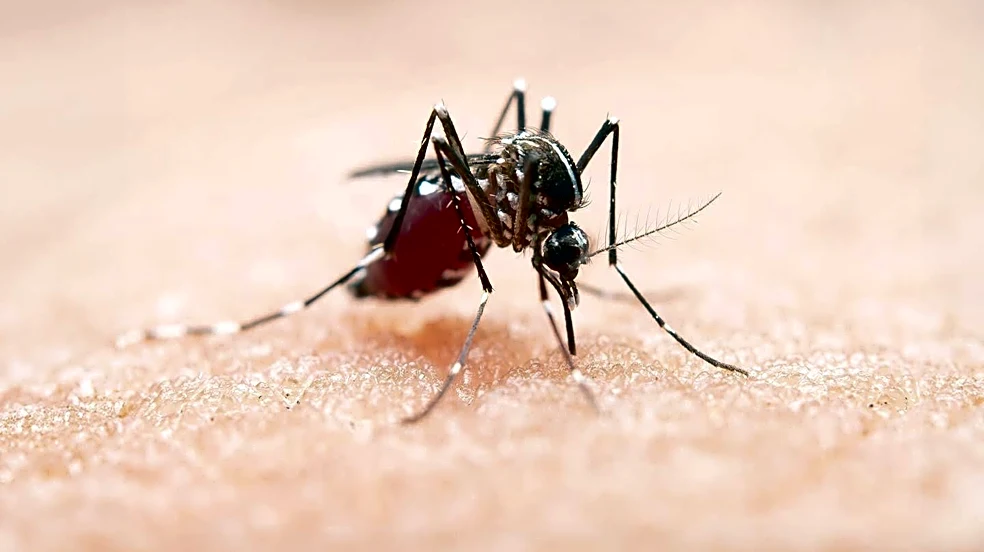
surveillance and prevention efforts. These measures include increased truck fogging, aerial larviciding, and localized ground inspections to identify and treat mosquito breeding sites. Dengue is characterized by flu-like symptoms, severe muscle and joint pain, fever, and sometimes a rash, with symptoms typically appearing within 15 days of an infected mosquito bite. The illness is not contagious between humans but is transmitted by the Aedes aegypti mosquito. The department continues statewide surveillance for various mosquito-borne illnesses, including West Nile virus, Eastern equine encephalitis, St. Louis encephalitis, malaria, chikungunya, and dengue.
Why It's Important?
This alert is crucial for public health in Florida, particularly in Citrus County, as it signifies the local transmission of dengue, a disease that can cause significant discomfort and, in severe cases, be life-threatening. The coordinated response by DOH-Citrus and Mosquito Control highlights the ongoing challenge of managing mosquito-borne diseases in the region. The presence of locally-acquired cases underscores the importance of community-wide prevention efforts, as residents are urged to take precautions to avoid mosquito bites. The broader surveillance for multiple arboviruses indicates a persistent threat to public health, requiring continuous monitoring and rapid intervention to prevent larger outbreaks and protect vulnerable populations from these illnesses.
What's Next?
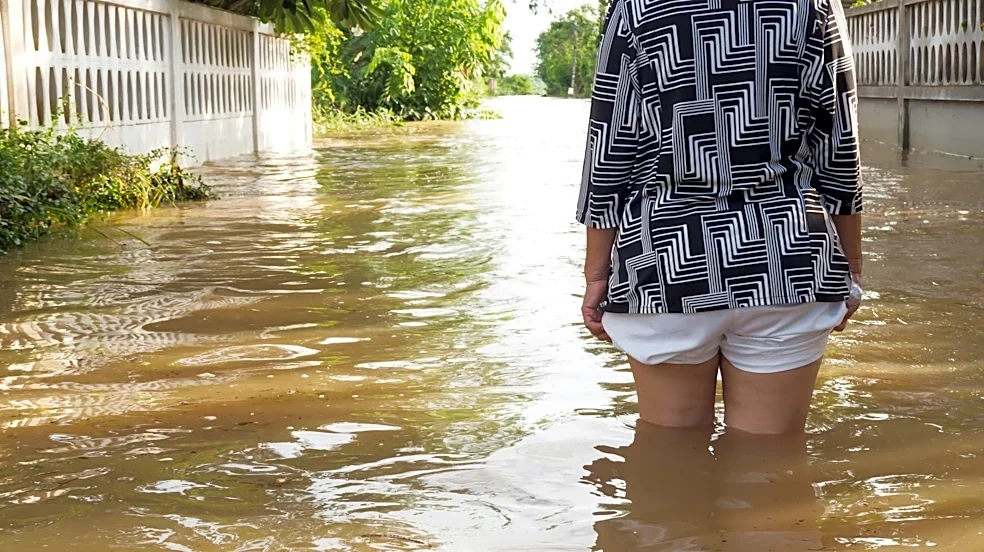
DOH-Citrus will continue its enhanced surveillance and prevention activities, including further mosquito control measures and public education campaigns. Residents are advised to remain vigilant and follow recommended precautions, such as wearing protective clothing, using EPA-registered insect repellents, and eliminating standing water around their homes to reduce mosquito breeding grounds. The department also encourages individuals experiencing symptoms consistent with dengue or other mosquito-borne illnesses to contact their healthcare providers promptly. Ongoing monitoring of mosquito populations and disease incidence will determine the duration and intensity of these public health interventions, with the potential for further alerts or expanded control efforts if additional cases are identified.
Beyond the Headlines
The emergence of locally-acquired dengue cases in Florida points to broader environmental and public health challenges, including the impact of climate change on mosquito habitats and the increasing global movement of people and goods that can introduce new pathogens. This situation highlights the need for robust public health infrastructure, including effective vector control programs and public awareness initiatives, to mitigate the risks posed by mosquito-borne diseases. The long-term implications could involve shifts in disease endemicity, requiring continuous adaptation of public health strategies and potentially influencing tourism and economic activities in affected regions. The incident also underscores the importance of individual responsibility in preventing disease transmission through simple, yet effective, measures.