






What's Happening?
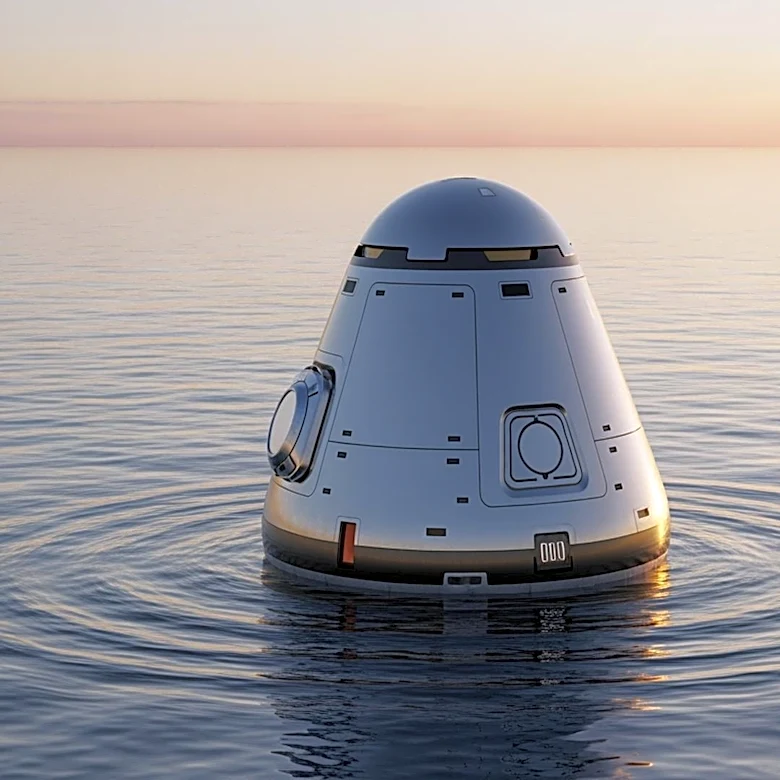
The Artemis II mission, involving astronauts Christina Koch, Victor Glover, Jeremy Hansen, and Reid Wiseman, successfully concluded with a splashdown in the ocean. The astronauts were airlifted by helicopter from an inflatable raft, known as the 'front
porch,' to a recovery ship for further evaluation. This mission marks a significant step in NASA's efforts to return humans to the Moon, as part of the broader Artemis program aimed at establishing a sustainable human presence on the lunar surface.
Why It's Important?
The successful recovery of the Artemis II astronauts is a critical milestone in NASA's Artemis program, which seeks to advance human space exploration and establish a long-term presence on the Moon. This mission demonstrates the capabilities of NASA's recovery operations and the effectiveness of its safety protocols. The Artemis program is expected to drive technological innovation, inspire future generations of scientists and engineers, and strengthen international partnerships in space exploration. The mission's success also reinforces the United States' leadership in space exploration and its commitment to exploring beyond low Earth orbit.
What's Next?
Following the successful splashdown and recovery of the Artemis II crew, NASA will conduct a thorough evaluation of the mission's outcomes and the performance of the spacecraft and recovery operations. The insights gained will inform the planning and execution of future Artemis missions, including the highly anticipated Artemis III mission, which aims to land astronauts on the lunar surface. Continued collaboration with international partners and the private sector will be essential to achieving the program's long-term goals and ensuring the sustainability of lunar exploration efforts.