






What's Happening?
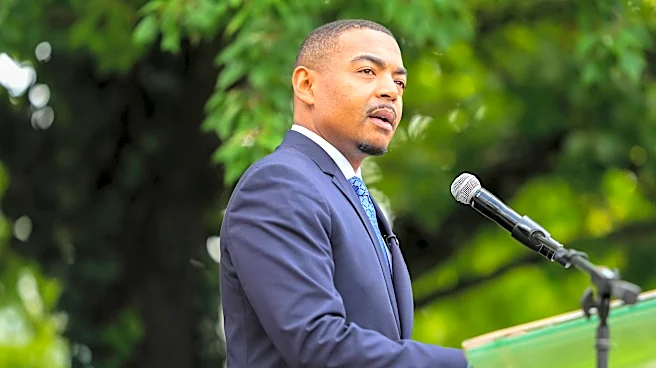
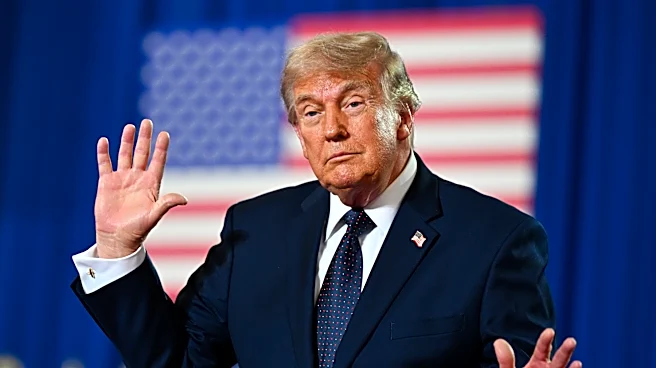
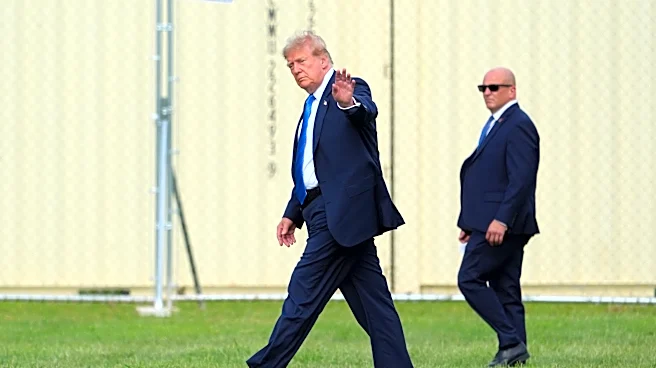
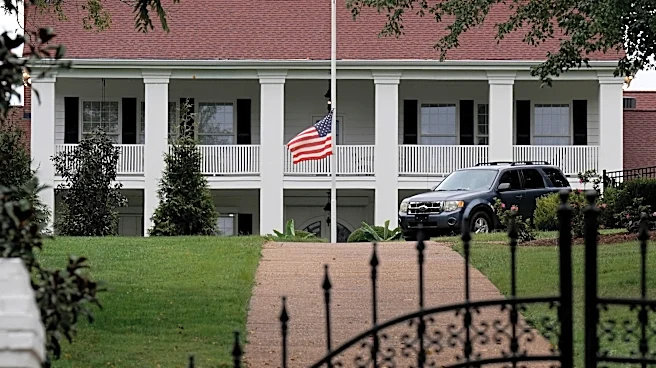
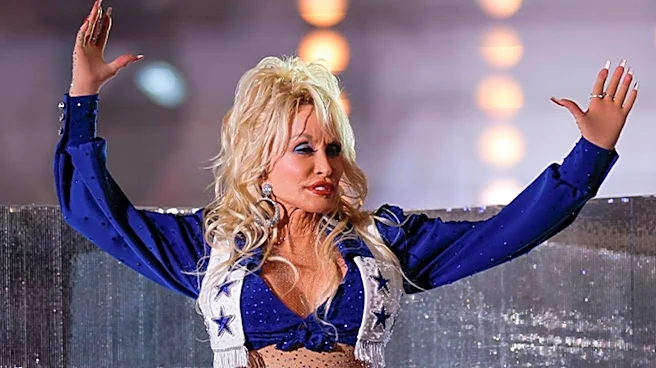
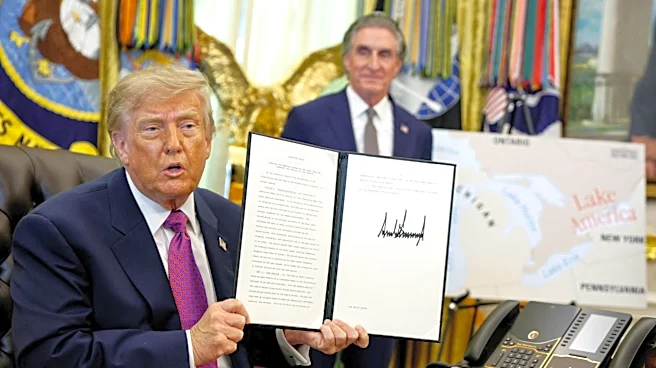
Mayor Ken Adams of Olive Branch, Mississippi, has publicly stated his decision not to lower American flags to half-staff in honor of the late country music icon Dolly Parton. This decision comes despite orders from President Trump and Mississippi Governor
Tate Reeves for flags to be flown at half-staff for one week following Parton's passing. Mayor Adams articulated his belief that lowering the flag should be reserved for specific, highly significant circumstances, such as honoring military heroes, fallen first responders, presidents, or major national leaders, or for events with a tremendous impact on the country. He argued that frequent lowering of the flag for well-known or beloved individuals could diminish the gesture's meaning. Adams emphasized that his stance is not a sign of disrespect towards Dolly Parton, acknowledging her positive contributions, but rather an effort to preserve the profound significance of the flag-lowering honor. He also asserted the role of local government in making such decisions, operating under Mississippi's Home Rule.
Why It's Important?
Mayor Adams' decision highlights a broader debate regarding the protocols and symbolic weight of lowering the American flag. While federal and state directives often guide such actions, local interpretations can vary, leading to public discourse on national symbols and their appropriate use. This incident underscores the tension between honoring cultural figures and maintaining the perceived sanctity of traditional honors for military and political leaders. The public backlash and support for Adams' decision reflect differing views on what constitutes a 'truly extraordinary circumstance' warranting such a tribute. It also brings to light the concept of 'Home Rule' in Mississippi, where local governments retain a degree of autonomy in decision-making, even when it diverges from state or federal recommendations. This situation could influence future discussions on flag protocol and the balance of authority between different levels of government in symbolic gestures.
What's Next?
The immediate aftermath of Mayor Adams' decision will likely involve continued public discussion and potential local protests or expressions of support. While President Trump and Governor Reeves issued directives, the enforcement mechanism for local compliance in such symbolic gestures is often limited, allowing for local discretion. This event may prompt other local leaders to re-evaluate their own policies regarding flag-lowering protocols, potentially leading to more formalized guidelines or increased public engagement on the matter. The debate could also spark conversations within state legislatures about clarifying the scope of local authority versus state mandates concerning national symbols. For Olive Branch, the focus will be on how the community navigates this divergence in opinion and whether it impacts local political dynamics or community cohesion.
Beyond the Headlines
This controversy delves into the cultural and ethical dimensions of national remembrance and the evolving definition of national heroes. Dolly Parton, while not a political or military figure, held immense cultural significance and was widely admired for her philanthropy and impact. The debate over lowering the flag for her reflects a societal shift in recognizing different forms of contribution to the nation. It raises questions about whether traditional honors should expand to include cultural icons who have profoundly shaped American identity and values. Furthermore, the incident touches upon the broader issue of local autonomy versus centralized authority in a federal system, particularly in matters of symbolic importance. It highlights how even seemingly simple gestures can become focal points for deeper discussions about national identity, respect, and governance.