
What's Happening?
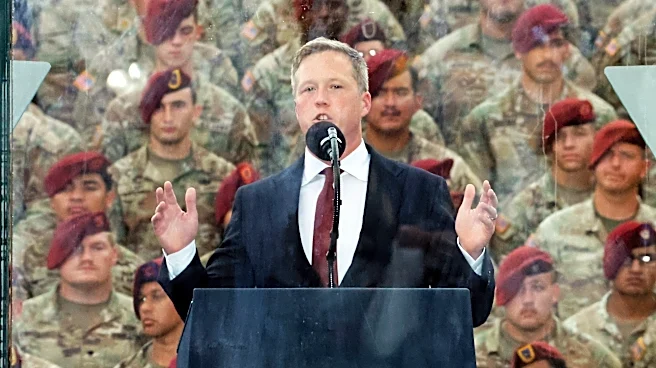
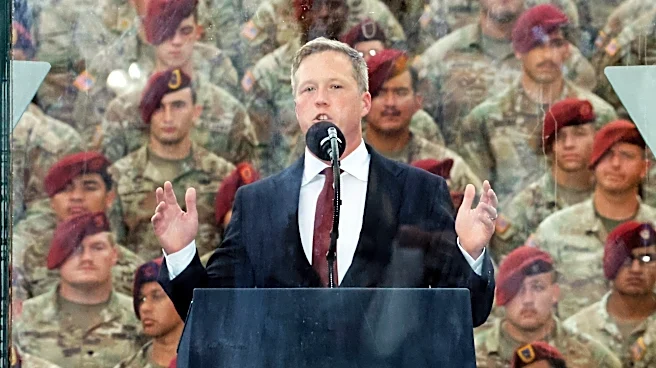
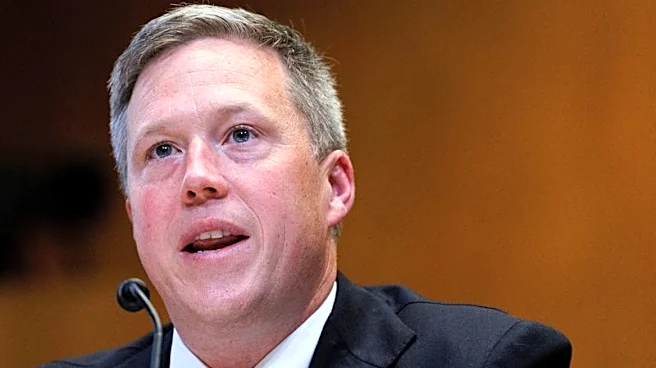
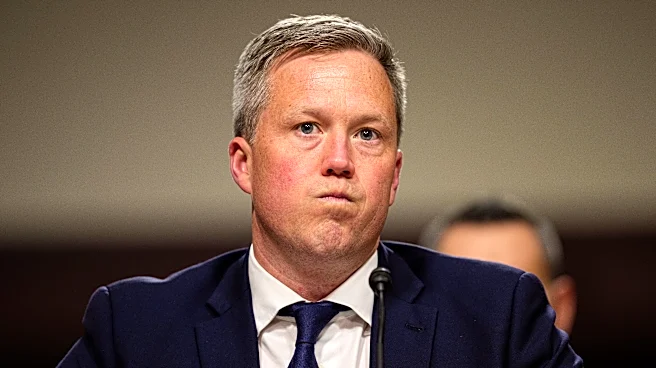
Secretary of the Army Dan Driscoll has submitted his resignation to President Trump, a move confirmed by DefenseScoop. This decision follows reports of long-standing tensions between Driscoll and Defense Secretary Pete Hegseth. A key point of contention
was Hegseth's removal of Gen. Randy George as Army chief of staff earlier this year, along with other service leaders. White House spokeswoman Anna Kelly stated that Driscoll had been effective in advancing President Trump's agenda, including providing leadership during military operations, restoring an emphasis on readiness, and assisting in negotiations between Russia and Ukraine. However, if President Trump accepts the resignation, the Army would be left without a Senate-confirmed civilian leader during renewed fighting in the Iran war, where the Army is actively defending against missile and drone attacks. Michael Obadal, the undersecretary of the Army, could serve as acting secretary.
Why It's Important?
The resignation of Army Secretary Dan Driscoll signals significant instability within the top ranks of the U.S. military leadership, particularly during a period of active conflict in the Iran war. The reported tensions between Driscoll and Defense Secretary Hegseth highlight potential policy disagreements or power struggles that could impact military strategy and operations. The absence of a Senate-confirmed civilian leader for the Army could create a leadership vacuum, potentially affecting decision-making, resource allocation, and the morale of service members. This development is crucial for national security, as it occurs while the Army is at the forefront of defending against missile and drone attacks, underscoring the need for stable and consistent leadership. The situation also raises questions about the administration's management of its defense team and the potential for further shake-ups in military command.
What's Next?
President Trump has not yet accepted Secretary Driscoll's resignation, leaving the immediate future of the Army's leadership uncertain. If accepted, Michael Obadal, the current undersecretary of the Army, is expected to step in as acting secretary. The administration will then need to nominate a new Secretary of the Army, who would require Senate confirmation. This process could be lengthy, potentially leaving the Army without permanent civilian leadership for an extended period during a critical time. The resignation may also prompt further scrutiny into the dynamics between the Defense Secretary and other service leaders, potentially leading to broader changes within the Pentagon. The ongoing Iran war and the Army's role in it will continue to be a focal point, and any leadership transition will be closely watched for its impact on military effectiveness and national security.
Beyond the Headlines
Driscoll's resignation, if accepted, could have deeper implications for the civil-military relationship and the balance of power within the Department of Defense. His background in venture capital and private equity, coupled with his focus on the Army Transformation Initiative to make the force leaner and more tech-focused, suggests a push for modernization and efficiency. His critical stance on prime contractors early in his tenure, and later acknowledgment of 'over-blaming' them, indicates a complex approach to defense industry partnerships. The reported tensions with Defense Secretary Hegseth, particularly over personnel decisions, could reflect broader disagreements on military policy, resource allocation, or the strategic direction of the armed forces. This event may highlight the challenges of implementing presidential agendas within the military establishment and the potential for friction between political appointees and career military leadership, ultimately affecting the long-term health and effectiveness of the U.S. Army.