


What's Happening?
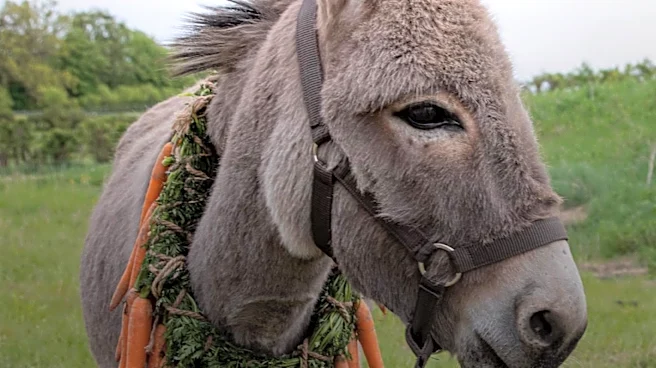
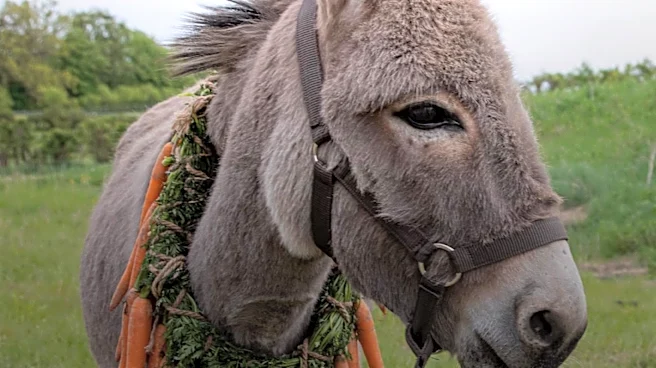
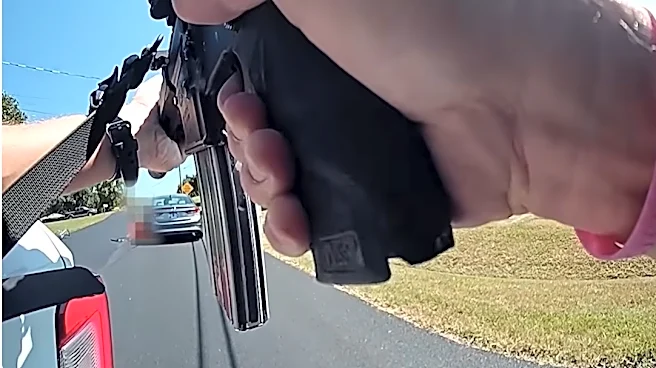
A Georgia police officer, Trenton Garner, fatally shot a petting zoo donkey named HeeHaw after the animal reportedly 'began to charge' at officers who were searching for a missing 12-year-old girl. The incident occurred on August 30, when the search team
entered the donkey’s pasture at Elsberry Riding and Farm. According to Garner's incident report, a K-9 handler attempted to deter HeeHaw with a Taser, but the animal continued to advance, leading Garner to fire a single round from his department-issued Glock 17. The donkey then retreated and fell over. The missing girl was later found further along Grady Road. HeeHaw's owner, Hannah Israel, expressed devastation, stating that officers entered her pasture without permission and that HeeHaw was a bottle-raised 'baby donkey' who may have been braying at strangers, which was mistaken for aggression. State authorities have launched an independent investigation into the shooting, and Officer Garner has been placed on administrative leave.
Why It's Important?
This incident has drawn significant national attention, sparking public outcry and raising questions about police protocols, animal welfare, and the use of force. The owner's emotional account and the community's reaction, including calls for body-camera footage release and legal action, highlight a broader societal concern regarding accountability and transparency in law enforcement. The event has also ignited discussions about the perception of danger, particularly when dealing with animals, and whether less lethal methods were adequately employed or considered. The GoFundMe campaign for HeeHaw, which significantly exceeded its goal, demonstrates the public's emotional investment in animal welfare and their willingness to support those affected by such incidents. The involvement of former Representative Marjorie Taylor Greene in expressing concern further amplifies the political and social dimensions of the event, indicating that such incidents can transcend local news and become subjects of wider public and political debate.
What's Next?
An independent investigation by state authorities is currently underway to determine the circumstances surrounding HeeHaw's shooting. The outcome of this investigation will be crucial in determining any potential disciplinary actions against Officer Garner or changes in police procedures. The Cedartown Police Chief has confirmed the existence of body-camera footage but stated it would not be released while the investigation is ongoing, which will likely fuel continued public demand for transparency. Hannah Israel, HeeHaw's owner, is being urged by commenters to seek legal advice, suggesting potential civil litigation against the police department. The funds raised through the GoFundMe campaign are intended to support the farm's animals and establish a foundation in HeeHaw's name, indicating a long-term effort to honor the donkey and advocate for animal welfare. This incident may also prompt broader discussions and potential policy reviews regarding police interactions with animals and the use of force in non-human encounters.
Beyond the Headlines
The tragic death of HeeHaw the donkey transcends a simple incident of animal control, touching upon deeper societal issues regarding the human-animal bond, the role of law enforcement in rural communities, and the power of public sentiment in shaping narratives. The owner's description of HeeHaw as 'my SON' underscores the profound emotional connection many individuals have with their pets, blurring the lines between livestock and family members. This emotional resonance has fueled the widespread public reaction, highlighting a growing awareness and advocacy for animal rights and welfare. Furthermore, the incident brings to light the challenges faced by law enforcement in unpredictable situations, where quick decisions must be made under pressure, and the potential for misinterpretation of animal behavior. The public's demand for body-camera footage and accountability reflects a broader trend of increased scrutiny on police actions, driven by a desire for transparency and justice in an era of readily available information and social media amplification. This event serves as a poignant reminder of the complex interplay between human actions, animal lives, and public perception.