






What's Happening?
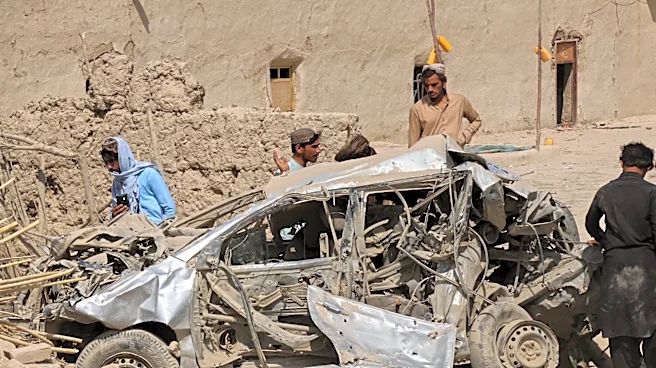
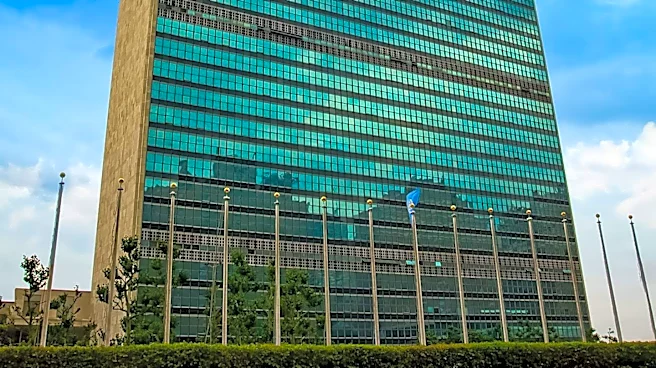
The United Nations has released $160 million from its Central Emergency Response Fund (CERF) to provide life-saving assistance in 12 of the world's most underfunded humanitarian crises. This allocation is part of a broader initiative to reach 87 million people
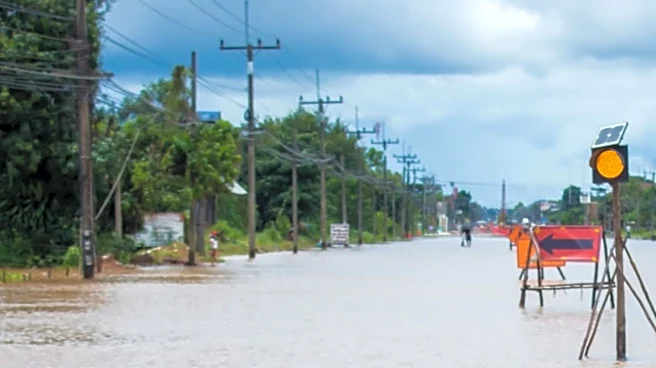
facing severe humanitarian needs this year. Approximately $150 million of this funding will support critical responses in various regions, including $18 million for the occupied Palestinian territory, $18 million for Afghanistan, $10 million for Burkina Faso, $6 million for Cameroon, $9 million for Chad, $4 million for Cuba, $10 million for Mali, $10 million for Niger, $16 million for Somalia, $15 million for South Sudan, $16 million for Sudan, and $18 million for Yemen. An additional $10 million is specifically designated to address the urgent needs of persons with disabilities across these 12 crises, aiming to enhance accessibility and inclusivity in humanitarian assistance.
Why It's Important?
This significant allocation of funds by the UN underscores the escalating global humanitarian needs and the critical role of international aid in mitigating suffering. By targeting underfunded crises, the UN aims to prevent these situations from deteriorating further and to ensure that vulnerable populations receive essential support. The specific inclusion of funds for persons with disabilities highlights a growing recognition of the need for inclusive humanitarian responses, addressing a demographic often disproportionately affected by crises. This funding is crucial for providing immediate relief, such as food, shelter, and medical care, which can prevent loss of life and stabilize communities. The allocation also serves as a call to action for other international donors to contribute to these often-overlooked humanitarian emergencies.
What's Next?
The allocated funds will be rapidly disbursed to humanitarian organizations operating in the 12 identified crisis zones. These organizations will then implement life-saving programs, focusing on immediate needs such as food security, health services, water and sanitation, and protection. The UN Office for the Coordination of Humanitarian Affairs (OCHA) will monitor the utilization of these funds to ensure effective and efficient delivery of aid. Continued advocacy by Under-Secretary-General for Humanitarian Affairs and Emergency Relief Coordinator, Tom Fletcher, and other UN officials will likely focus on securing additional funding from member states to meet the overall target of assisting 87 million people. The success of these interventions will depend on sustained access to affected populations and the ability of aid agencies to operate safely in complex environments.
Beyond the Headlines
This UN allocation reflects a broader challenge in global humanitarian funding, where certain crises receive less attention and resources despite immense needs. The focus on 'underfunded' crises highlights the political and media biases that can influence aid distribution, often leaving millions in dire circumstances. The dedicated funding for persons with disabilities is a step towards more equitable humanitarian action, acknowledging that disability often exacerbates vulnerability in emergencies. This initiative also implicitly calls for a re-evaluation of international aid priorities and mechanisms to ensure that assistance is distributed based on need rather than geopolitical interest or media visibility. The long-term impact of such funding extends beyond immediate relief, contributing to resilience building and laying the groundwork for recovery in conflict-affected and disaster-prone regions.