






What's Happening?
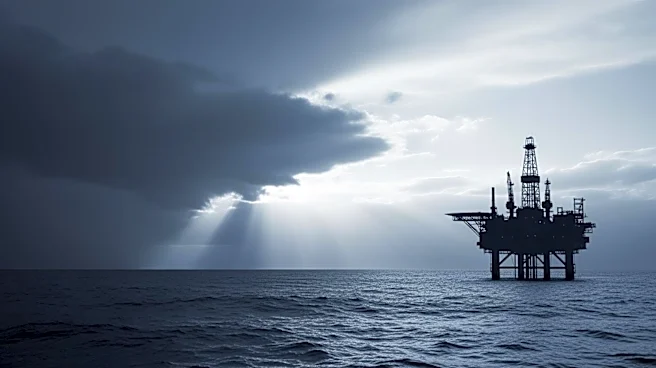
Environmental groups, led by Earthjustice, have filed a lawsuit against the Trump administration to prevent the commencement of BP's Kaskida project, an ultra-deepwater drilling initiative in the U.S. Gulf. The project, which requires advanced high-pressure
high-temperature (HPHT) technology, represents a $5 billion investment by BP. Discovered in 2006, the Kaskida field's development was deemed impractical until recent technological advancements. BP's final investment decision in 2024 set the stage for the project to become the company's sixth installation in the region by 2029, with an expected production rate of 80,000 barrels per day in its initial phase. The lawsuit draws parallels between Kaskida and BP's infamous Macondo project, which resulted in the Deepwater Horizon disaster in 2010. Earthjustice argues that the extreme conditions at Kaskida increase the risk of a blowout, potentially leading to a spill of up to 4.5 million barrels over 100 days, according to BP's own assessments.
Why It's Important?
The lawsuit against the Kaskida project underscores significant environmental and regulatory concerns associated with ultra-deepwater drilling. The potential for catastrophic spills poses a threat to marine ecosystems and coastal communities, reminiscent of the Deepwater Horizon disaster. The case highlights the ongoing tension between energy development and environmental protection, with Earthjustice criticizing the federal approval process as setting a low safety standard for oil and gas operations in public waters. The outcome of this legal challenge could influence future regulatory frameworks and the balance between energy independence and environmental stewardship in the U.S. oil industry.
What's Next?
The lawsuit names the Department of Interior and the Bureau of Ocean Energy Management (BOEM) as defendants, focusing on the federal approval process rather than BP itself. The case will likely proceed through the courts, with potential implications for the regulatory oversight of similar projects. If successful, the lawsuit could lead to stricter safety and environmental standards for future deepwater drilling operations. The decision may also prompt a reevaluation of existing approvals and influence policy discussions on sustainable energy practices.
Beyond the Headlines
The Kaskida project raises broader questions about the ethical and environmental responsibilities of energy companies operating in sensitive areas. The reliance on advanced HPHT technology reflects the industry's push into more challenging environments as traditional reserves dwindle. This trend could lead to increased scrutiny of the environmental impact and safety measures associated with such projects. The case also highlights the role of non-governmental organizations in holding both corporations and government agencies accountable for environmental protection.