







What's Happening?
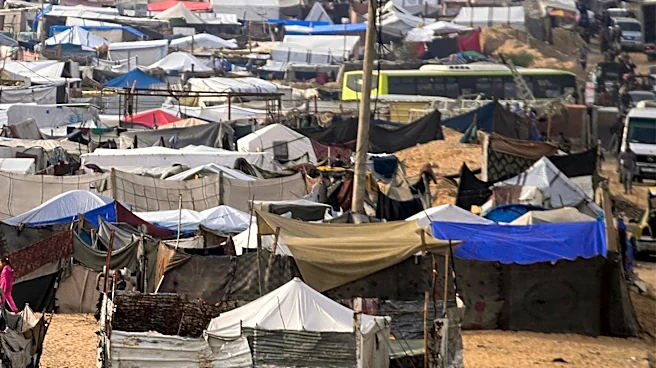
Hundreds of thousands of displaced Palestinians in the Gaza Strip are confronting another winter without adequate shelter, as over 162,000 of approximately 270,000 displacement tents have become severely damaged or unusable. This deterioration is due
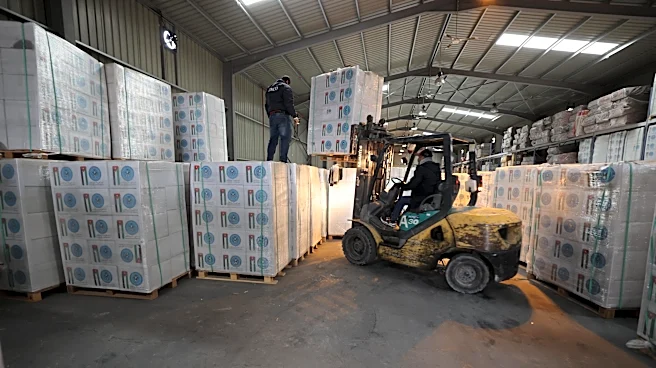
to prolonged use and exposure to harsh weather conditions. Many families continue to reside in makeshift shelters or among the ruins of destroyed buildings, offering minimal protection against the impending winter. Gaza’s Ministry of Social Development has issued a warning about an impending humanitarian catastrophe, estimating that more than 300,000 families urgently require proper shelter. The ministry indicates a need for approximately 200,000 new weather-resistant tents and 300,000 emergency shelter kits, including thermal insulation materials, tarpaulins, and reinforced plastic sheeting. The extensive destruction of residential units, with approximately 85% reportedly damaged, exacerbates the crisis, leaving displaced families with few alternatives to overcrowded camps.
Why It's Important?
The escalating shelter crisis in Gaza poses a severe humanitarian threat, particularly with winter approaching. The inability of hundreds of thousands of displaced Palestinians to secure adequate housing means they will be exposed to extreme cold, rain, and severe weather conditions, leading to increased health risks, including respiratory illnesses and hypothermia. This situation places immense pressure on humanitarian organizations and local authorities, who are already struggling with limited resources and access. The widespread destruction of residential infrastructure, coupled with the lack of new shelter materials, highlights the long-term challenges of recovery and reconstruction in the region. The crisis also underscores the urgent need for international intervention and funding to provide essential shelter assistance, prevent further suffering, and ensure the basic human right to adequate housing for the displaced population.
What's Next?
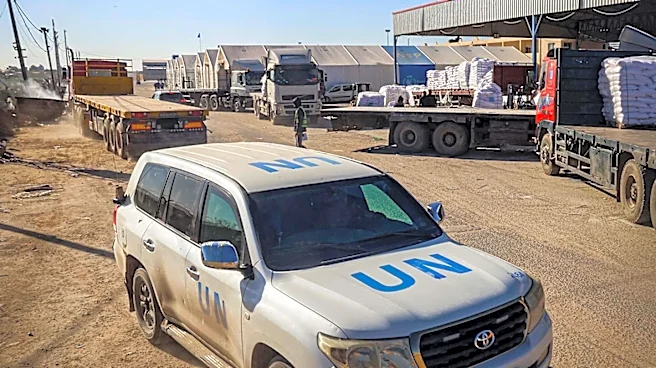
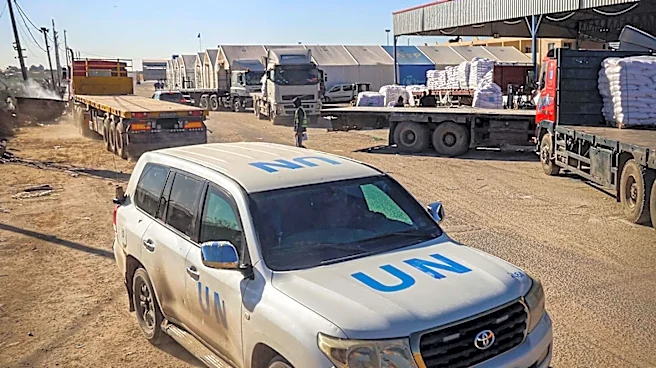
With winter rapidly approaching, the immediate focus will be on securing and distributing weather-resistant tents and emergency shelter kits to the displaced population in Gaza. The Ministry of Social Development's urgent appeal for 200,000 new tents and 300,000 emergency kits will likely prompt calls for increased international aid and humanitarian assistance. Aid organizations will face significant logistical challenges in delivering and distributing these materials amidst ongoing restrictions and damaged infrastructure. Efforts will also be made to identify and prepare safer, more resilient temporary housing solutions for the most vulnerable families. In the longer term, comprehensive reconstruction plans will be necessary to address the extensive damage to residential units, but immediate actions are critical to prevent a catastrophic humanitarian situation during the winter months.
Beyond the Headlines
The shelter crisis in Gaza extends beyond immediate physical needs, impacting the psychological and social well-being of the displaced population. Living in inadequate and deteriorating shelters for prolonged periods can lead to chronic stress, trauma, and a loss of dignity. The lack of stable housing disrupts education, healthcare access, and community structures, perpetuating a cycle of vulnerability. This situation also highlights the broader implications of conflict on civilian infrastructure and the challenges of post-conflict recovery. The inability to rebuild homes and provide safe shelter can hinder any prospects for long-term stability and development, creating a protracted humanitarian dependency. The crisis underscores the critical importance of protecting civilian infrastructure during conflicts and ensuring robust humanitarian responses that address both immediate and long-term housing needs.