


What's Happening?
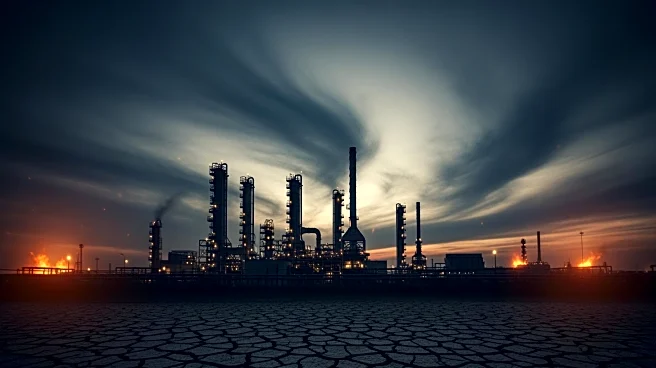
The International Energy Agency (IEA) has issued a stark warning about a severe energy crisis, which it claims is worse than the oil shocks of the 1970s and the aftermath of the Ukraine war combined. This crisis has been exacerbated by the ongoing conflict
involving the US, Israel, and Iran. According to IEA Executive Director Fatih Birol, the conflict has led to the effective closure of the Strait of Hormuz and attacks on energy facilities, reducing global oil supplies by approximately 11 million barrels per day. This reduction is more than double the shortfalls experienced during the 1970s oil crises. Additionally, liquefied natural gas (LNG) supplies have decreased by about 140 billion cubic meters. The IEA has proposed measures to mitigate the crisis, including promoting remote work, carpooling, and reducing speed limits on highways.
Why It's Important?
The energy crisis poses a significant threat to the global economy, with potential repercussions for energy prices and availability worldwide. The Strait of Hormuz is a critical chokepoint for global oil and LNG supplies, and its closure could lead to further disruptions in energy markets. The crisis has already caused oil prices to surge by more than 50% since the conflict began. This situation could lead to increased costs for consumers and businesses, potentially slowing economic growth and exacerbating inflationary pressures. The IEA's call for strategic oil reserve releases and energy conservation measures highlights the urgency of addressing the crisis to stabilize markets and prevent further economic fallout.
What's Next?
The US has issued an ultimatum to Iran to unblock the Strait of Hormuz, with a deadline set to expire soon. If Iran does not comply, the US has threatened to target Iranian power plants. Iran, in turn, has threatened to close the waterway completely and attack regional energy and water infrastructure if its power plants are struck. The outcome of these tensions could significantly impact global energy supplies and geopolitical stability. The IEA is in discussions with various countries about potentially releasing more strategic oil reserves to alleviate the crisis, but the primary solution remains the reopening of the Strait of Hormuz.