






What's Happening?
The Arctic region is experiencing an intensified focus on security policy issues, driven by several global processes of change. These include the deterioration of international relations following Russia's war in Ukraine and the increasing desire of non-Arctic
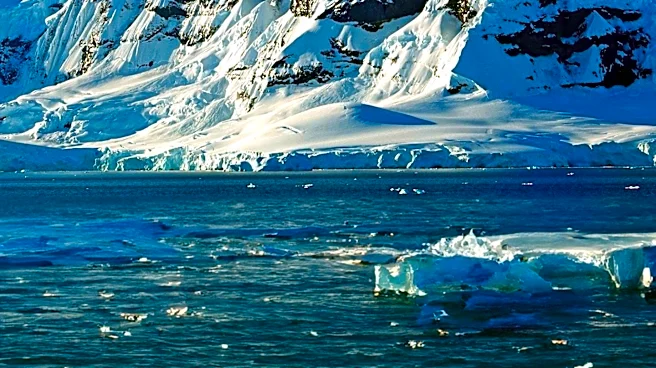
states, such as China, to exert influence in the region. Climate change is also a significant factor, as it is progressing more rapidly in the Arctic, making shipping more feasible and increasing global demand for the region's natural resources. Countries like Canada, Sweden, and the EU are updating their Arctic strategies to reflect these developments, integrating the Arctic into their total defense plans. Research indicates that there is no comprehensive picture of crime and threats in the polar region, with information fragmented across various government agencies, businesses, and researchers.
Why It's Important?
The growing strategic importance of the Arctic has significant implications for U.S. national security and economic interests. Increased accessibility due to melting ice opens new shipping routes, potentially reducing transit times between continents but also creating new vulnerabilities and competition for control. The demand for Arctic natural resources, including minerals and energy, could lead to heightened geopolitical tensions and environmental risks. For the U.S., maintaining a strong presence and influence in the Arctic is crucial for defense, resource access, and scientific research. The fragmented understanding of threats and crime in the region poses challenges for effective governance and security, potentially impacting U.S. allies and their ability to secure their northern borders and interests.
What's Next?
As global processes of change continue, Arctic nations and their allies, including the U.S., are likely to further develop and implement comprehensive Arctic strategies. This will involve increased investment in research, defense capabilities, and infrastructure in the region. Efforts to integrate fragmented information on crime and threats will be crucial for developing a clearer situational picture and enhancing security. International cooperation, despite current geopolitical tensions, may become more critical for addressing shared challenges such as climate change, environmental protection, and search and rescue operations. The evolving dynamics in the Arctic will necessitate continuous adaptation of policies and strategies by all stakeholders.
Beyond the Headlines
The heightened security focus in the Arctic extends beyond traditional military concerns to encompass broader societal and environmental dimensions. The rapid pace of climate change in the region not only opens up new economic opportunities but also poses existential threats to indigenous communities and unique ecosystems. The increased presence of external actors and the potential for resource exploitation raise questions about environmental stewardship and sustainable development. Furthermore, the integration of the Arctic into total defense strategies highlights the interconnectedness of climate security, economic security, and national security. The challenges of welfare fraud and other crimes in the region, as noted by researchers, underscore the need for holistic approaches to security that address both conventional and unconventional threats, ensuring stability and trust in a rapidly changing environment.