


What's Happening?
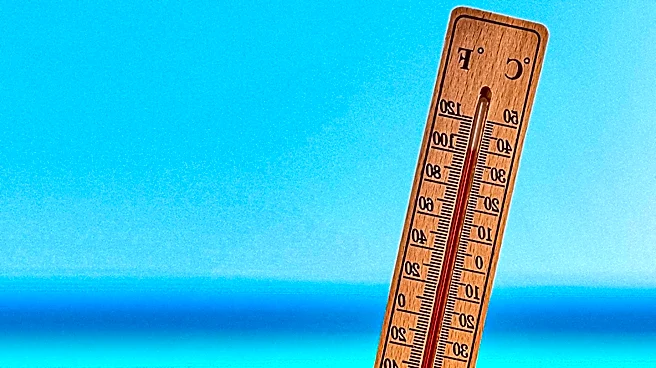
Scientists have reported that the world's seas reached their highest temperatures on record for July, with significant heatwaves affecting the Atlantic coast and western Mediterranean. The EU's Copernicus climate change service noted that the average
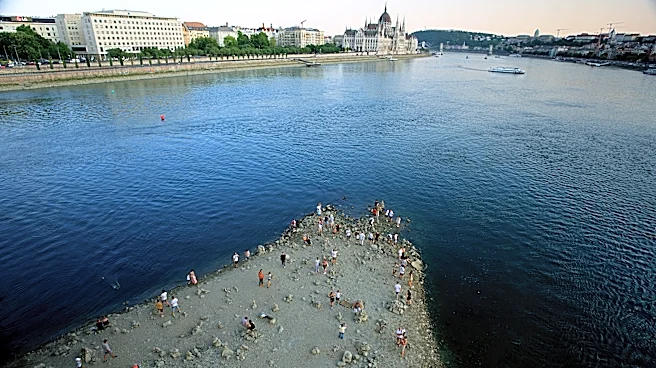
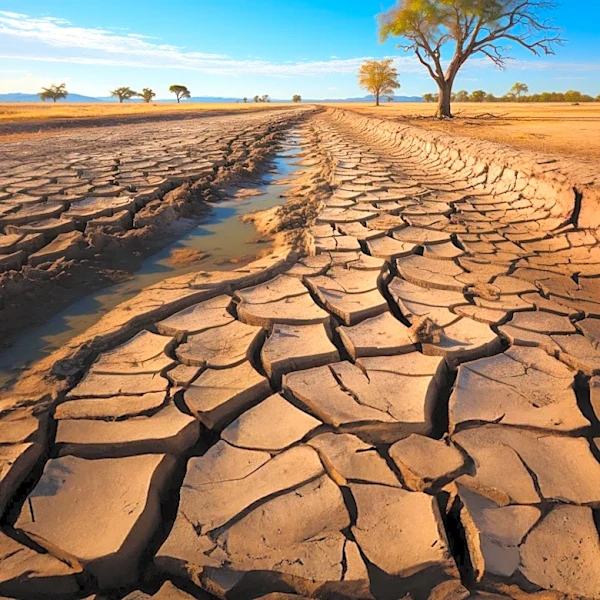
sea surface temperature outside polar regions was the highest recorded for the month. This heat has contributed to severe marine heatwaves and exacerbated wildfires across Europe. The persistent high temperatures have also led to drought conditions, impacting agriculture and water supply in several European countries.
Why It's Important?
The record sea temperatures are a stark indicator of the ongoing impacts of climate change, with significant implications for marine ecosystems and global weather patterns. The heatwaves and resulting wildfires highlight the interconnectedness of climate systems and the cascading effects of rising temperatures. The situation poses challenges for agriculture, water management, and public health, as communities face increased risks from heat-related events. The economic impact is also significant, with potential losses in agriculture and disruptions to industries reliant on stable climate conditions.
Beyond the Headlines
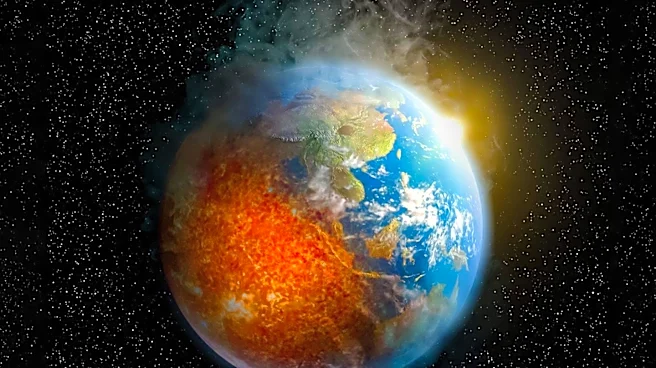
The rising sea temperatures and associated climate impacts underscore the urgent need for global action on climate change. The situation calls for enhanced adaptation and mitigation strategies, including improved urban planning and vegetation management to reduce wildfire risks. The findings also highlight the importance of international cooperation in addressing climate challenges and the need for comprehensive policies to reduce greenhouse gas emissions and promote sustainable practices.