





What's Happening?
A new report highlights the severe economic impact of the ongoing heat waves across Europe, predicting a potential loss of €180 billion, equivalent to 1% of the EU's GDP for 2026. The extreme heat is expected to significantly reduce labor productivity
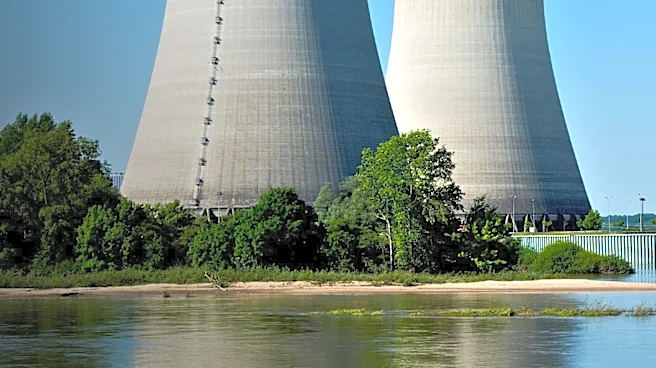
and agricultural output, with France and the Netherlands facing potential economic contractions. The heat waves have also led to widespread drought, affecting energy systems and transportation, particularly in regions reliant on river transport. The report warns that such extreme weather events may become more frequent due to climate change, necessitating urgent adaptation measures.
Why It's Important?
The economic ramifications of the heat waves are profound, threatening to erase projected growth for the European Union. The loss in productivity and agricultural output could have cascading effects on food security and energy supply, further straining economies already dealing with inflation and post-pandemic recovery. The situation underscores the vulnerability of European economies to climate-related disruptions and highlights the need for robust adaptation strategies. Policymakers and businesses may need to invest in infrastructure improvements, such as irrigation and cooling systems, to mitigate future impacts.
What's Next?
As the heat waves continue, European governments are likely to prioritize immediate relief efforts and long-term adaptation strategies. This could involve enhancing infrastructure resilience, diversifying energy sources, and implementing policies to support affected industries. The report suggests that without significant mitigation efforts, such extreme weather events could become a regular occurrence, further threatening economic stability. International cooperation and investment in climate resilience will be crucial to addressing these challenges and ensuring sustainable economic growth.