






What's Happening?
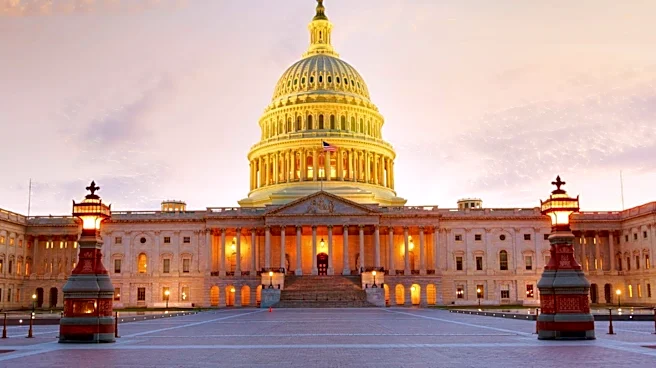
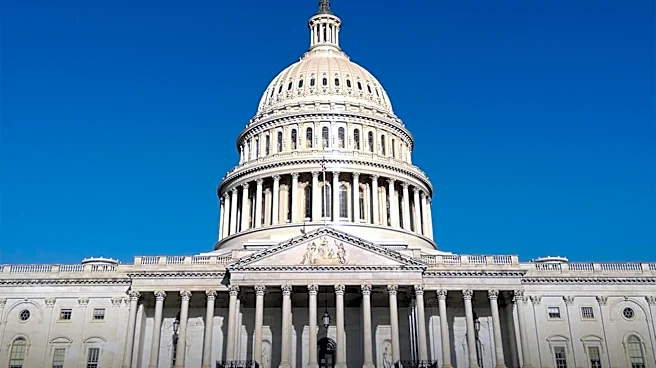
The U.S. House of Representatives narrowly passed a measure with a 215-214 vote that would make it easier for qualified service members and Pentagon civilian employees to carry personal firearms on military bases. The amendment, proposed by Rep. Jeff
Crank, establishes a presumption that installation commanders will approve requests for carrying personal firearms, though it does not automatically authorize such actions. The vote comes in the wake of a shooting incident at Fort Stewart, Georgia, where an Army sergeant used a personal handgun to shoot fellow soldiers. The measure has sparked debate, with some viewing it as a necessary step for self-defense, while others express concerns about safety and the potential for increased violence on military installations.
Why It's Important?
This decision is significant as it touches on the broader national debate over gun rights and safety, particularly in sensitive environments like military bases. Proponents argue that allowing personal firearms could enhance personal security for service members, while opponents fear it could lead to more incidents of gun violence. The measure also reflects ongoing tensions within Congress regarding Second Amendment rights and military policy, potentially impacting future legislative discussions on gun control and military regulations. The outcome of this vote could influence similar policies in other federal institutions and shape public opinion on the balance between security and safety.
What's Next?
The measure will likely face further scrutiny as it moves to the Senate, where it could encounter opposition. The debate may also prompt military leaders to reassess current security protocols and consider additional measures to ensure safety on bases. Additionally, the decision could lead to increased advocacy from both gun rights and gun control groups, potentially influencing future legislative efforts. The outcome of this policy change will be closely monitored by military personnel, policymakers, and advocacy groups, as it could set a precedent for firearm policies in other federal settings.