






What's Happening?
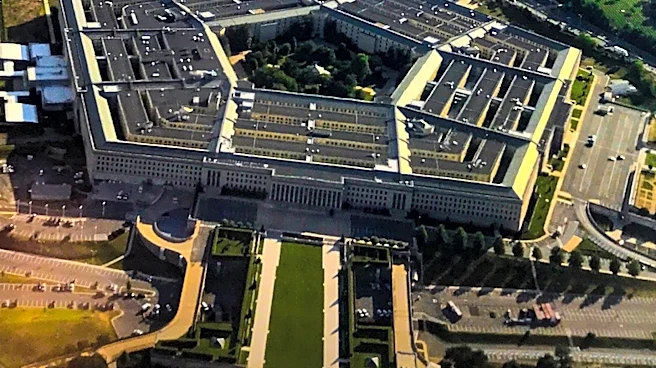
The Pentagon is launching a five-year TRICARE demonstration project to reimburse civilian ambulance providers for administering blood transfusions. This initiative aims to address the lack of blood availability in emergency medical services (EMS) by covering
the costs of 'medically necessary' blood transfusions for military personnel, family members, and retirees. The project is inspired by military practices developed during the wars in Iraq and Afghanistan, where blood transfusions were administered in prehospital settings, significantly improving survival rates. The initiative seeks to overcome financial barriers that prevent many EMS agencies from carrying blood products, which are crucial for trauma patients, especially in rural areas far from hospitals.
Why It's Important?
This project could revolutionize emergency medical care by making blood transfusions more accessible in prehospital settings, potentially saving lives. It highlights a shift in healthcare policy, where military medical practices are adapted for civilian use. The initiative could lead to broader insurance coverage for prehospital blood transfusions, reducing the financial burden on EMS providers. If successful, it may prompt Medicare, Medicaid, and private insurers to adopt similar reimbursement models, enhancing trauma care nationwide. This could particularly benefit rural areas, where access to hospitals is limited, and timely medical interventions are critical.
What's Next?
The TRICARE project will begin in January, with its outcomes closely monitored to assess its impact on trauma care and healthcare costs. If the project demonstrates improved patient outcomes and cost-effectiveness, it could lead to policy changes in how EMS services are funded. The success of this initiative may encourage other insurance providers to cover prehospital blood transfusions, potentially transforming emergency medical care across the U.S. Stakeholders, including healthcare providers and insurers, will likely evaluate the project's results to consider broader implementation.