




What's Happening?
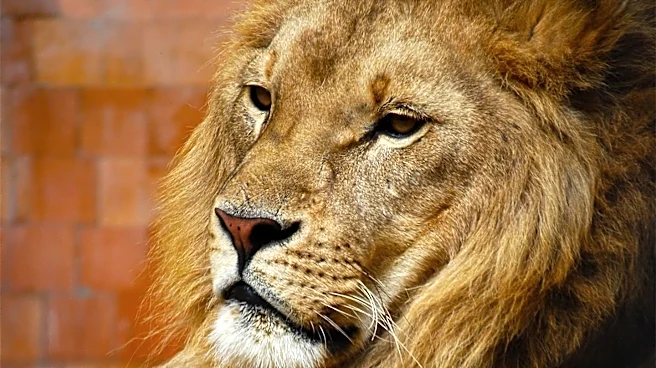
The Henry Vilas Zoo announced the death of Pelo, a 13-year-old lion, on September 18. Pelo had resided at the zoo for nearly his entire life. Zookeepers first observed Pelo exhibiting unusual movements and balance issues in June. He was subsequently diagnosed
with chronic degenerative disc disease affecting his neck and spine. Despite an initial positive response to treatment, Pelo's health rapidly declined in recent weeks, leading the staff to make the decision to euthanize him. Pelo was born at the Woodland Park Zoo in Seattle and arrived at Henry Vilas Zoo in 2014 at 16 months old. He shared his life with a lioness named Shakura, with whom he had cubs, Ansel and Amboseli, in 2017. On his final day, Pelo was given a special 'party' with his favorite items, including a large box and a portion of pig for his last meal, and was surrounded by his long-term keepers.
Why It's Important?
The passing of Pelo represents a significant loss for the Henry Vilas Zoo and its community, as he had been a beloved resident for over a decade. His presence at the zoo also fostered a connection to wild lion conservation efforts in Africa. According to Jess Thompson, the zoo’s conservation and education curator, the zoo has contributed more than $30,000 to wild lion conservation over the past five years, including a donation made in Pelo's honor on his final day. This highlights the role of zoos not only in local animal care and public education but also in supporting global conservation initiatives. The emotional impact on zookeepers and the community underscores the deep bonds formed between humans and the animals under their care, and the importance of responsible animal welfare decisions in zoological institutions.
What's Next?
Following Pelo's death, the Henry Vilas Zoo will continue its operations, with a focus on the well-being of its remaining animals, including Shakura, Pelo's companion, who has reportedly remained calm since his passing. The zoo will likely continue its educational programs and conservation efforts, potentially using Pelo's story to further raise awareness about lion conservation and the challenges faced by these animals in the wild. The zoo's commitment to supporting wild lion conservation, as evidenced by the donation made in Pelo's honor, is expected to persist. The community may also see further tributes or acknowledgments of Pelo's life and his impact on the zoo.
Beyond the Headlines
Pelo's story extends beyond the immediate news of his passing, touching upon the broader ethical considerations of animal care in captivity and the role of zoos in conservation. His life at the Henry Vilas Zoo, from his arrival as a young cub to his battle with a degenerative disease, illustrates the dedication required in managing the health and welfare of large, exotic animals. The zoo's decision to euthanize Pelo after a rapid decline in health, despite initial treatment, reflects the difficult choices faced by animal care professionals when balancing quality of life with medical intervention. Furthermore, the zoo's financial contributions to wild lion conservation, linked to Pelo's legacy, highlight the evolving mission of modern zoos to connect local communities with global wildlife protection efforts, emphasizing that the impact of individual animals in captivity can resonate far beyond their enclosures.