





What's Happening?
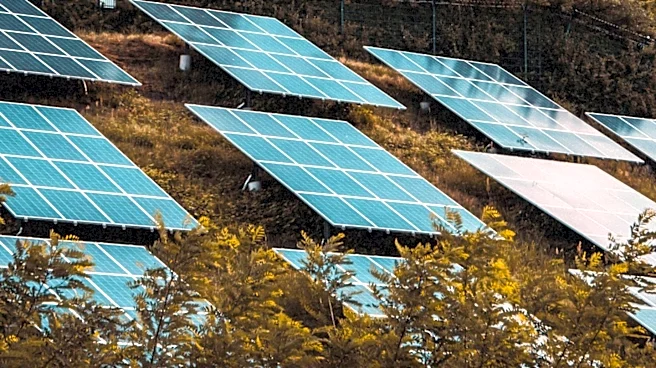
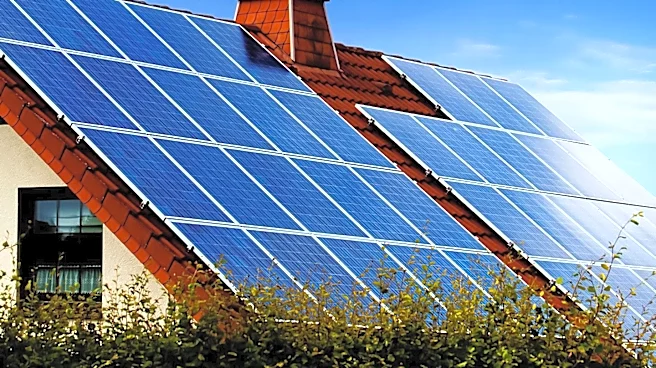
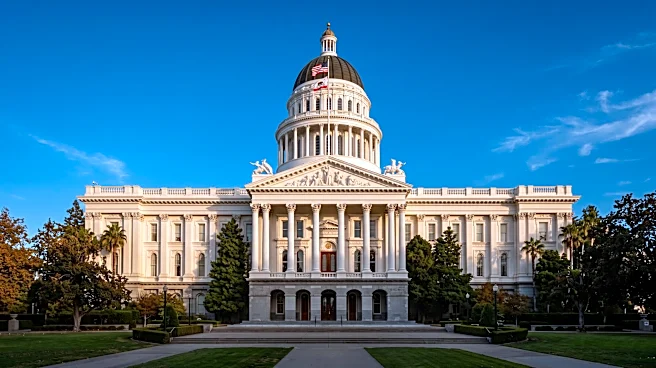
California Governor Gavin Newsom has signed a bill that legalizes the use of plug-in solar technology for residents, allowing them to install smaller, cheaper solar arrays on balconies or in backyards. This legislation aims to remove the previous barrier
of negotiating interconnection agreements with utility companies like PG&E, which was a significant hurdle for individuals wanting to adopt solar energy. The move positions California alongside states like Utah and Maine in recognizing the potential of this technology to generate clean electricity and help residents save money on rising energy costs. Historically, utilities have relied on burning fossil fuels such as coal and natural gas to meet electricity demand, ramping up production as needed. The proliferation of plug-in solar represents a fundamental shift towards a more distributed and flexible electrical grid, where consumers become active participants in energy generation.
Why It's Important?
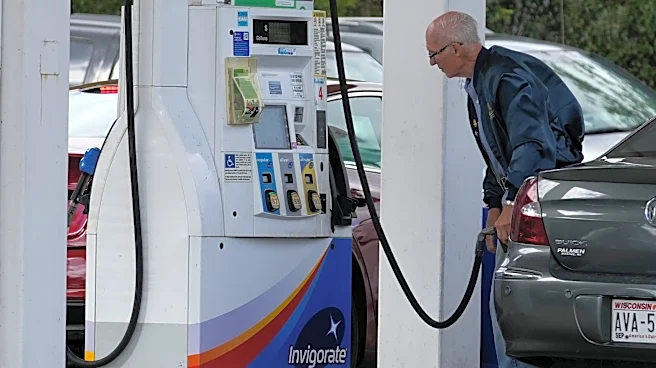
This legislative change is important because it democratizes access to solar energy, making it more affordable and accessible for a wider range of Californians, including renters. By enabling individuals to generate a portion of their own electricity, plug-in solar can significantly reduce the amount of power drawn from the grid, especially during peak demand times like hot afternoons when air conditioners are heavily used. This reduction in demand can alleviate stress on the existing electrical infrastructure and contribute to grid stability. Furthermore, it offers a tangible solution for consumers to mitigate high energy costs, with basic systems potentially paying for themselves in energy savings within approximately four years. The initiative also aligns with broader environmental goals by promoting clean energy generation and reducing reliance on fossil fuels, thereby contributing to climate change mitigation efforts.
What's Next?
With California, a major state, now embracing plug-in solar, it is anticipated that other states may follow suit, influencing future state markets for this technology. The focus will likely shift to how effectively this distributed network of 'tiny power plants' integrates with the existing grid and whether utilities will adapt their models to further support such initiatives. There may also be discussions around potential rebates or incentives to encourage wider adoption, as the initial investment, while smaller than traditional rooftop solar, can still be a barrier for some households. The long-term impact will involve monitoring the cumulative effect of these small-scale solar installations on overall energy demand, grid flexibility, and the reduction of carbon emissions, especially as demand from new technologies like AI data centers and electric vehicles continues to grow.
Beyond the Headlines
The legalization of balcony solar in California signifies a deeper shift in the relationship between consumers and energy production. It moves beyond the traditional model where consumers are passive recipients of energy from large, centralized power plants, transforming them into active contributors to the energy supply. This decentralization of power generation could lead to increased energy independence for individuals and communities, fostering a more resilient and adaptable energy system. Ethically, it empowers individuals to take direct action against rising energy costs and climate change, aligning personal financial incentives with environmental responsibility. Culturally, it could normalize the idea of localized energy production, potentially leading to further innovations in home-based energy solutions and a greater public understanding of energy systems. This development also highlights the ongoing challenge for utility companies to adapt to a rapidly evolving energy landscape, moving from a purely supply-driven model to one that incorporates distributed generation and demand-side management.