





What's Happening?
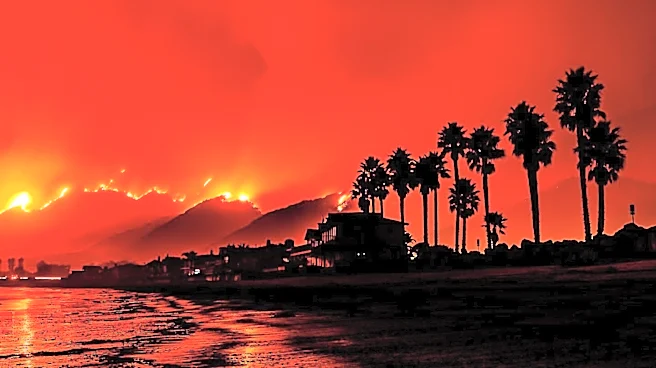
A Vistra Corp. battery plant in Moss Landing, California, experienced a renewed flare-up among its remaining batteries on Friday morning, around 6 a.m. North Monterey County Fire Chief Jess Cortez confirmed that the batteries, which had retained their
charge for over 18 months, spontaneously ignited. Ron George of Vistra stated that these batteries were not connected to any active systems. This incident follows previous issues at the site, and officials acknowledge the inherent risk of further flare-ups until complete remediation. The U.S. Environmental Protection Agency is overseeing the clean-up efforts and had anticipated such occurrences. Monterey County Supervisor Glenn Church expressed disappointment and frustration regarding the recurring fires at the facility. A shelter-in-place order was briefly issued for residents within one-third of a mile of the plant but has since been lifted. Air quality monitors and drones are being utilized to monitor smoke and hot spots, and the fire department remains on site, expecting the fire to burn itself out within a day or so.
Why It's Important?
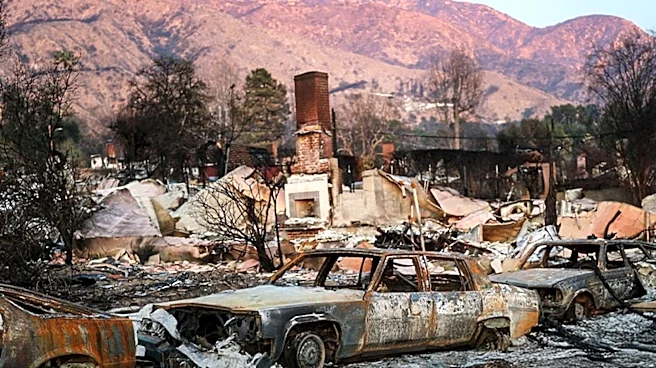
This renewed fire at the Vistra battery plant highlights ongoing safety and environmental concerns associated with large-scale battery storage facilities, particularly those that have experienced previous incidents. The spontaneous ignition of dormant, charged batteries underscores the challenges in managing and decommissioning such infrastructure safely. For local communities, these incidents pose immediate risks, as evidenced by the temporary shelter-in-place order and concerns about air quality. The involvement of the U.S. Environmental Protection Agency signifies the federal government's recognition of the potential environmental impact and the need for stringent oversight in remediation efforts. For the energy industry, this event serves as a critical reminder of the importance of robust safety protocols, advanced monitoring systems, and comprehensive decommissioning strategies for battery storage projects, especially as the nation increasingly relies on such technologies for grid stability and renewable energy integration. The recurring nature of these incidents could influence public perception and regulatory frameworks for future battery storage developments across the U.S.
What's Next?
Authorities expect the current flare-up at the Vistra plant to burn itself out within the next day or so, with the fire department remaining on site to monitor the situation. The U.S. Environmental Protection Agency will continue to oversee the clean-up and remediation efforts at the site. Vistra officials, including Ron George, have indicated that the risk of future flare-ups will persist until the site is completely remediated, suggesting a prolonged and complex process. Local officials, such as Monterey County Supervisor Glenn Church, will likely continue to advocate for community safety and thorough oversight of Vistra's operations. This incident may prompt further scrutiny from regulatory bodies regarding the safety standards and operational procedures for battery storage facilities, potentially leading to updated guidelines or increased enforcement. The long-term remediation plan and its effectiveness in preventing future incidents will be a key focus for both the company and environmental agencies.
Beyond the Headlines
The repeated incidents at the Vistra battery plant raise broader questions about the long-term safety and environmental stewardship of energy storage technologies, which are crucial for the transition to renewable energy. While battery storage is vital for grid modernization and reducing reliance on fossil fuels, these events underscore the need for continuous innovation in battery design, fire suppression systems, and end-of-life management. The public's trust in these technologies could be eroded by recurring safety concerns, potentially impacting the pace of renewable energy adoption. Furthermore, the incident highlights the complex interplay between industrial operations, environmental protection, and community well-being, particularly in areas where energy infrastructure is located near residential zones. The challenges faced by Vistra could inform policy discussions on liability, insurance, and emergency response planning for energy storage facilities nationwide, emphasizing the need for a holistic approach to energy transition that prioritizes both sustainability and safety.