







What's Happening?
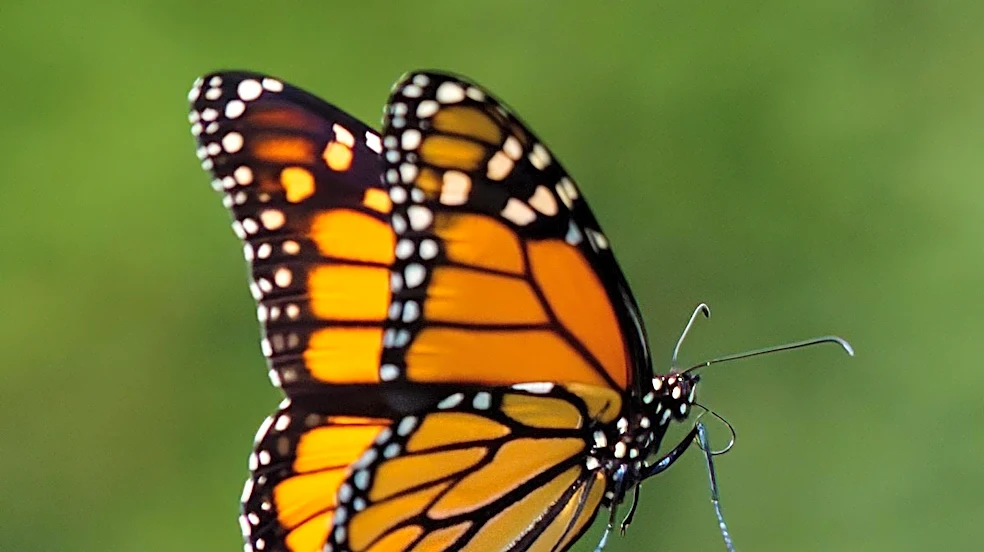
Scientists and the public can now track monarch butterfly migration in real-time thanks to new solar-powered tagging technology. Project manager Mercy Manzanares of Monarch Joint Venture stated that this technology allows for an unprecedented view of butterfly migration.
The organization began tagging monarchs last year and has successfully tagged 95 butterflies from Nebraska this year. These solar-powered tracking devices utilize cell towers to pinpoint the location of each butterfly as it travels south. Jake Koenig, Midwest Habitat Program Manager at Monarch Joint Venture, noted that the data is already providing new insights, such as identifying high-quality habitats for fall blooming species and potential roosting sites. The migration of monarch butterflies is unique due to its generational nature, where the returning individuals are the great-great-grandchildren of those that initially departed. Scientists believe monarchs navigate using the sun's angle, magnetic fields, and potentially other unknown methods. The free United Monarch app allows individuals to follow the migration from their phones, with some monarchs still in Nebraska while others are already heading towards Mexico.
Why It's Important?
The ability to track monarch butterfly migration in real-time is crucial given the ongoing decline in monarch populations across the United States. This new technology provides invaluable data for conservation efforts by allowing scientists to identify critical habitats and understand migration patterns with greater precision. Understanding these patterns and locations is vital for implementing effective conservation strategies, such as protecting key feeding and breeding grounds. The generational aspect of monarch migration, where navigation is passed down through successive generations, makes this research particularly significant for understanding complex biological processes. The public's ability to track these migrations through the United Monarch app fosters greater awareness and engagement in conservation, potentially leading to increased support for initiatives aimed at protecting these pollinators. The insights gained from this tracking could inform land management practices and policy decisions related to habitat preservation, impacting ecosystems and agricultural systems that rely on pollinators.
What's Next?
Monarch Joint Venture plans to continue and expand its tagging program next year, with intentions to extend further into western Nebraska. This expansion will provide a broader dataset, enhancing the understanding of monarch migration routes and behaviors across a wider geographical area. Researchers will continue to analyze the data collected from the solar-powered tags to uncover more details about monarch navigation, including whether factors like star navigation play a role. The ongoing collection of real-time data will allow for continuous monitoring of population movements and habitat use, which can inform adaptive management strategies. The United Monarch app will likely continue to serve as a public engagement tool, allowing more people to participate in and learn about monarch conservation. The long-term goal is to leverage this technology to develop more effective and targeted conservation interventions to help reverse the decline of monarch butterfly populations.
Beyond the Headlines
The development of solar-powered tracking technology for monarch butterflies represents a significant advancement in ecological research and conservation. Beyond the immediate benefits of tracking migration, this technology highlights the potential for integrating cutting-edge engineering with biological studies to address pressing environmental challenges. The ability to track small, delicate creatures like butterflies in real-time opens doors for similar applications in studying other migratory species, potentially revolutionizing our understanding of animal movements and ecological connectivity. This initiative also underscores the ethical considerations of human intervention in natural processes, balancing the need for data with the potential impact of tagging on individual organisms. Furthermore, the project fosters a deeper cultural connection to nature, as individuals can directly observe and participate in the journey of these iconic insects, reinforcing the importance of biodiversity and environmental stewardship in society.