






What's Happening?
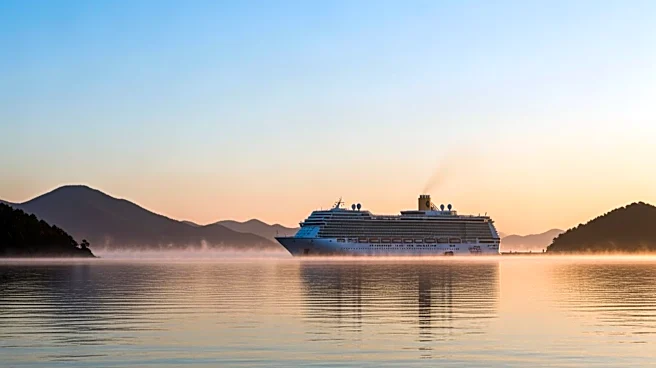
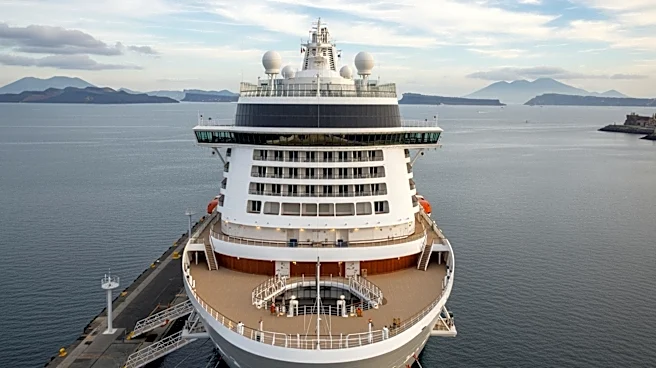
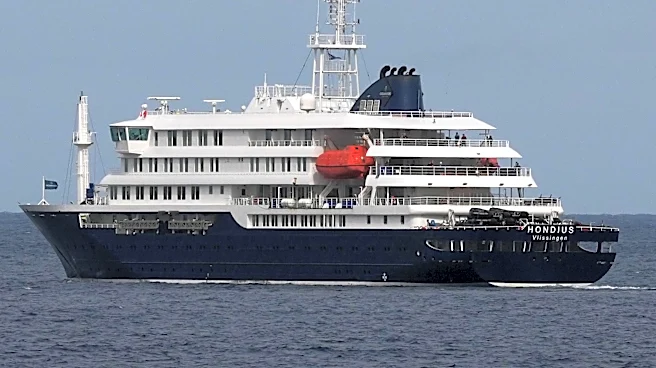
Passengers aboard the MV Hondius cruise ship are being treated as high-risk contacts due to a hantavirus outbreak that has resulted in three deaths. The ship is expected to arrive off the Spanish island of Tenerife, where a mobile medical facility has been
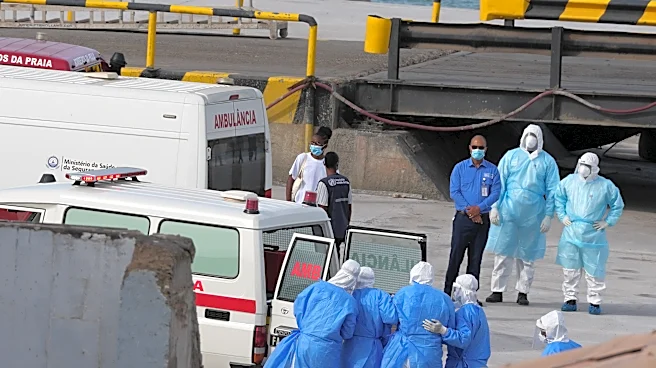
set up. The World Health Organization confirmed that six of the eight cases on board are hantavirus infections. Passengers with symptoms will be prioritized for medical assessment and may be isolated in Tenerife or evacuated to their home countries. Asymptomatic passengers will be repatriated using specially arranged transport to ensure safety.
Why It's Important?
The outbreak on the MV Hondius highlights the vulnerabilities of cruise ships to infectious diseases, emphasizing the need for stringent health measures and rapid response capabilities. The situation poses significant public health challenges, as authorities must balance the need to contain the virus with the logistical complexities of evacuating and quarantining passengers. The incident may lead to increased scrutiny of cruise ship health protocols and could impact the industry's recovery efforts post-COVID-19. The response to this outbreak will be closely watched as a test of international cooperation and crisis management in the face of emerging infectious diseases.
What's Next?
As the MV Hondius approaches Tenerife, health authorities are preparing to assess and manage the passengers' health conditions. Those with symptoms will undergo medical evaluation, and decisions will be made regarding their isolation or evacuation. The European Centre for Disease Prevention and Control will continue to monitor the situation and provide guidance on managing high-risk contacts. The outcome of this incident may influence future health policies and protocols for cruise ships, potentially leading to more rigorous health screenings and emergency preparedness measures.