



What's Happening?
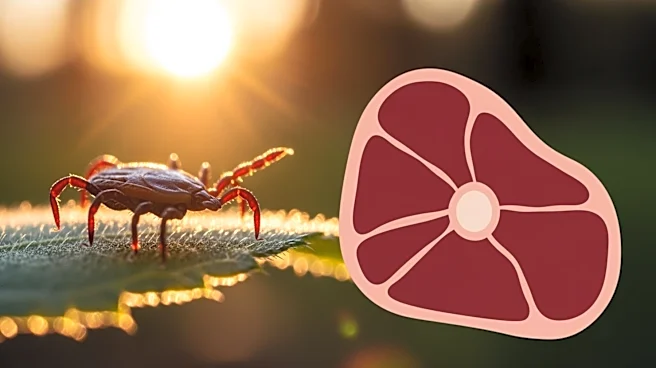
Massachusetts has joined over a dozen states in requiring medical professionals to report cases of alpha-gal syndrome, a rare tick-borne illness that causes an allergy to red meat and sometimes other mammal products. The condition, primarily spread by
the lone star tick, can lead to severe allergic reactions, including anaphylaxis. The syndrome has been most prevalent in states like Arkansas, Kentucky, and Virginia, but it is now spreading, with up to 450,000 Americans potentially affected. Many individuals are unaware they have the condition until they experience a reaction. Tony Haigh from Arkansas, who has alpha-gal, experiences hives when exposed to mammal products. Dr. Tina Merritt, an allergist, has been instrumental in developing a test for the syndrome. The condition is challenging to manage due to delayed reactions and the presence of mammal-derived ingredients in many products.
Why It's Important?
The spread of alpha-gal syndrome highlights the growing public health challenge posed by tick-borne illnesses in the U.S. As the condition becomes more widespread, it could lead to increased healthcare costs and a need for greater public awareness and preventive measures. The syndrome's impact on dietary habits and lifestyle choices is significant, as those affected must avoid red meat and potentially other mammal products. This can complicate social interactions and dining experiences due to the risk of cross-contamination. The condition also underscores the importance of developing effective tick control measures and public education to prevent tick bites.
What's Next?
As awareness of alpha-gal syndrome increases, there may be calls for clearer food labeling to help those affected avoid allergenic ingredients. Research into the syndrome and its transmission is likely to continue, potentially leading to better diagnostic tools and treatments. Public health campaigns may focus on educating the public about tick bite prevention and the symptoms of alpha-gal syndrome. Additionally, there could be an increase in demand for plant-based and allergen-free products as more people seek to avoid mammal-derived ingredients.
Beyond the Headlines
The rise of alpha-gal syndrome may prompt broader discussions about the impact of climate change on the spread of tick-borne diseases, as warmer temperatures can expand the habitats of ticks. The condition also raises ethical questions about food labeling and the responsibility of manufacturers to disclose potential allergens. Furthermore, the syndrome could influence cultural attitudes towards meat consumption and drive interest in alternative protein sources.