




What's Happening?
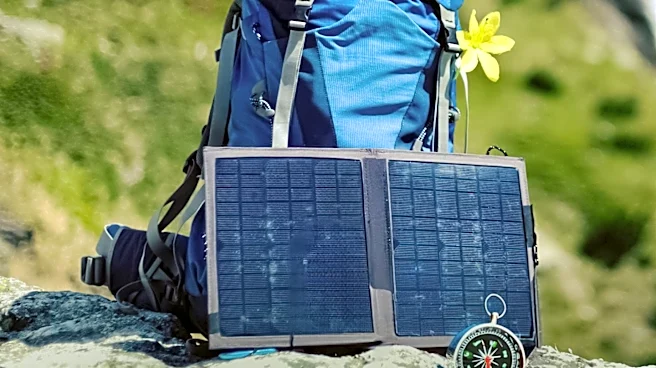
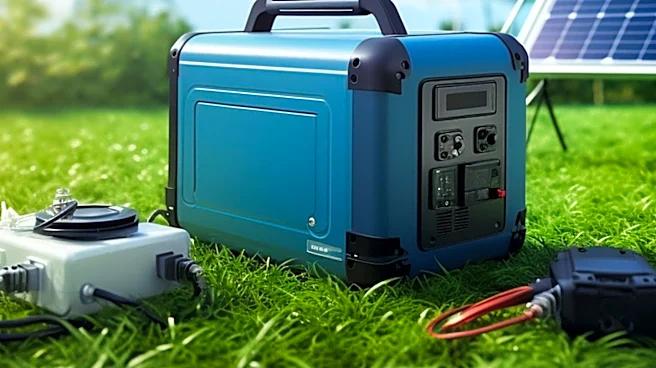
Owners of portable solar panels frequently encounter several common problems, primarily related to power delivery and efficiency. A significant issue is the complete lack of power supplied to batteries, power stations, or devices. This can stem from technical
errors such as faulty panels or components, or issues with the connected devices like unreliable power stations. Specific hardware components, including the charge controller, inverter, damaged diodes, or broken connectors, can be culprits. Another common problem is low power delivery, which means the panels are generating some electricity but not enough to effectively charge devices or batteries. This can be caused by factors like cloudy weather, dirty panel surfaces, or loose cables. Proper ventilation is also crucial for portable solar panels, as heat buildup around connections and within the panels can reduce efficiency and cause problems. Dust and debris on the panel surface can further hinder heat dissipation and overall performance.
Why It's Important?
Understanding these common problems is important for U.S. consumers and businesses relying on portable solar technology for various applications, from outdoor recreation to emergency power. The reliability of portable solar panels directly impacts their utility, especially in situations where consistent power is critical, such as camping, remote work, or disaster preparedness. Issues like no power or low power delivery can lead to frustration, wasted investment, and potentially leave users without essential power when needed. For manufacturers, addressing these common complaints through improved design, clearer instructions, and robust components is vital for market growth and consumer trust. The widespread adoption of portable solar solutions depends on their ease of use and dependable performance, making troubleshooting and maintenance knowledge essential for owners to maximize their investment and ensure functionality.
What's Next?
To address these issues, owners are advised to inspect the status lights on their charge controllers for error indications. Using a multimeter to test panel voltages and check inverter activity can help diagnose power supply problems. It's also crucial to test external batteries or power stations to rule them out as the source of the issue. Regular inspection and cleaning of all terminals, ports, and connectors for corrosion, debris, or buildup are recommended to ensure proper contact. Manufacturers may focus on developing more user-friendly diagnostic tools, improving component durability, and providing clearer guidance on maintenance and optimal placement. The industry could also see advancements in panel design to enhance heat dissipation and reduce susceptibility to environmental factors like dust. Educational initiatives for consumers on proper setup, maintenance, and troubleshooting will be key to improving the user experience and fostering greater confidence in portable solar technology.
Beyond the Headlines
The challenges faced by portable solar panel owners highlight broader implications for the renewable energy sector and consumer technology. The expectation of seamless functionality from green technologies is high, and any perceived unreliability can hinder broader adoption. This situation underscores the importance of robust engineering and user-centric design in renewable energy products. Ethically, manufacturers have a responsibility to provide durable and reliable products, along with comprehensive support, to ensure consumers can effectively utilize sustainable energy solutions. Culturally, as more people seek off-grid and portable power options, the demand for reliable and easy-to-maintain solar solutions will grow. The long-term shift will likely involve more integrated systems with advanced diagnostics and self-cleaning features, making portable solar power more accessible and dependable for a wider range of users, thereby contributing to a more decentralized and resilient energy landscape.