
What's Happening?
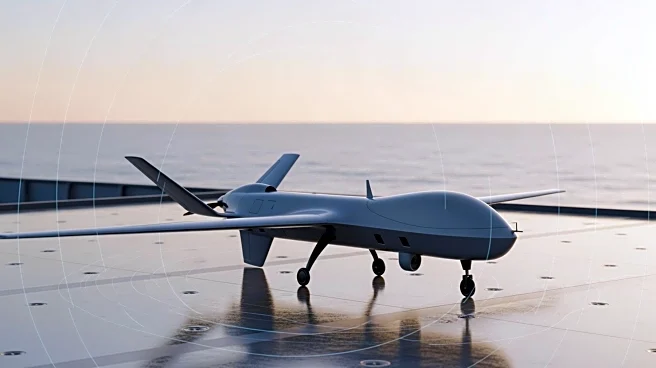
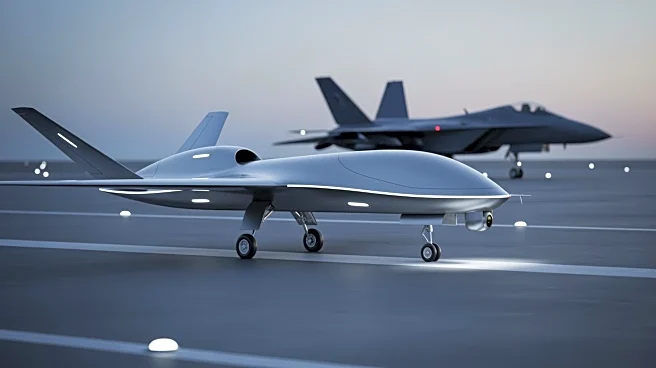
The U.S. Air Force has successfully tested a mix-and-match approach to drone wingman autonomy using the Autonomy Government Reference Architecture (A-GRA). This framework allows for the integration of
different hardware and software from multiple vendors, such as General Atomics and Anduril, into its collaborative combat aircraft. The tests demonstrated that mission software can be decoupled from specific vehicle hardware, fostering a competitive and innovative ecosystem. This approach aligns with the Defense Department's strategy to eliminate outdated policies and accelerate weapons production.
Why It's Important?
The Air Force's successful validation of a flexible autonomy framework for drones represents a significant advancement in military technology. By enabling interoperability and rapid integration of new technologies, the Air Force can enhance its operational capabilities and maintain a competitive edge. This development also supports the broader defense strategy of fostering innovation and reducing dependency on single vendors, which can lead to cost savings and increased efficiency in military operations.
What's Next?
The Air Force plans to continue developing and testing its collaborative combat aircraft, with further integration of advanced autonomy technologies. As the program progresses, additional contracts and partnerships with technology providers are expected, potentially leading to the deployment of these autonomous systems in operational settings. The success of this initiative could influence future military procurement strategies and drive further innovation in defense technology.