






What's Happening?
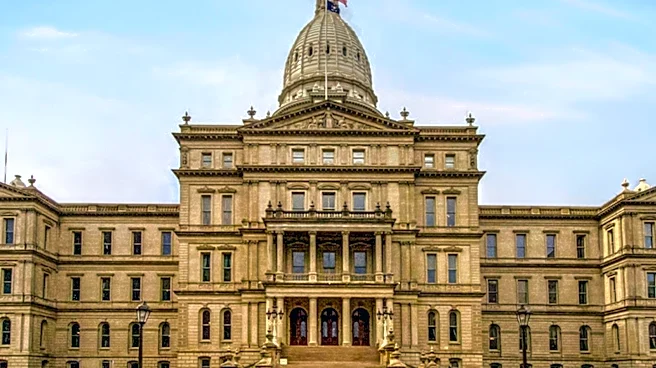
Michigan is set to raise its statewide minimum wage to $15.00 per hour by January 1, 2027, an increase from its current rate of $13.73. This confirmed statutory increase makes Michigan the only state with a finalized minimum wage hike for that year, as many
other states with indexed rates have yet to publish their final amounts. The federal minimum wage, however, will remain at $7.25 per hour for covered nonexempt employees, a rate that has been unchanged since 2009. This means that in states like Michigan, the higher state or local minimum wage will supersede the federal floor. Other states, such as Pennsylvania, also maintain their minimum wage at the federal rate of $7.25 per hour. Employers are advised to verify indexed notices before the first 2027 payroll runs, especially those operating across state or city lines, as local ordinances can also exceed statewide floors.
Why It's Important?
The impending minimum wage increase in Michigan highlights a growing divergence between state and federal labor policies, with states increasingly taking the lead in setting higher wage standards. This trend has significant implications for businesses, particularly small and medium-sized enterprises, which must adapt to varying wage requirements across different jurisdictions. For employees in Michigan, the raise to $15.00 per hour could lead to improved living standards and increased purchasing power, potentially stimulating local economies. Conversely, businesses might face increased labor costs, which could influence pricing strategies, hiring decisions, and operational adjustments. The static federal minimum wage, in contrast, means that workers in states adhering to the federal floor continue to earn a wage that has not kept pace with inflation or the rising cost of living, exacerbating economic disparities across the nation. This creates a complex compliance landscape for employers and a varied economic reality for workers depending on their geographic location.
What's Next?
As Michigan prepares for its minimum wage increase, other states with indexed rates are expected to announce their final 2027 figures closer to year-end. Employers, particularly those with operations in multiple states, will need to proactively review and update their payroll systems to ensure compliance with the new rates. This includes flagging employees earning within $1.00 of the new floor, changing rates before payroll runs, replacing required workplace notices, and auditing the first pay stubs. The U.S. Department of Labor's July 1, 2026, consolidated rates will serve as a baseline, but final figures for many states are still pending. The ongoing disparity between federal and state minimum wages suggests continued legislative activity at the state level to address wage concerns, while the federal rate's stagnation may prompt renewed calls for a national increase.
Beyond the Headlines
The persistent gap between the federal minimum wage and state-mandled rates underscores a broader debate about economic equity and the role of government in setting wage standards. While a higher minimum wage can reduce poverty and improve worker morale, concerns about potential job losses or inflationary pressures often arise. The varying state-level responses reflect diverse economic conditions and political priorities across the U.S. This decentralized approach to wage policy can lead to a patchwork of regulations, creating administrative burdens for businesses and potentially influencing interstate competition for labor and investment. The long-term implications could include a further shift towards state-led economic policy, potentially diminishing the impact of federal labor standards in practice, and intensifying the focus on local economic conditions as primary drivers of wage growth.