







What's Happening?
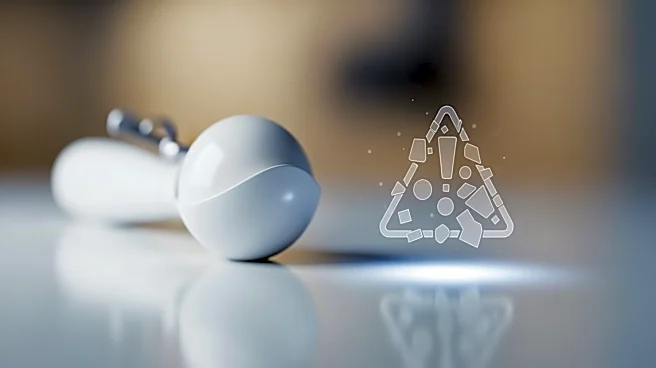
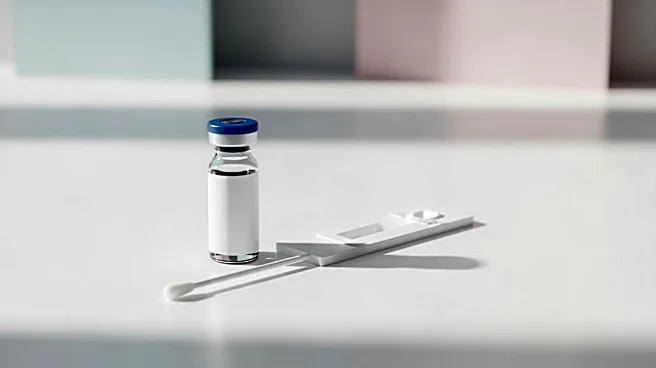
The U.S. Food and Drug Administration (FDA) has approved the Onclarity HPV Self-Collection Kit and the BD Onclarity HPV Assay for at-home use, marking a significant advancement in cervical cancer screening. This tool allows individuals to collect samples
at home, which are then analyzed using the BD COR System. The assay is noted for its comprehensive detection of high-risk HPV genotypes, which are responsible for nearly all cervical cancer cases. This development aims to address the gap in screening, as approximately 60% of cervical cancer cases occur in unscreened or under-screened individuals. Waters Corporation, in collaboration with the National Institutes of Health, has been instrumental in this initiative, which is expected to improve early detection and reduce cervical cancer mortality.
Why It's Important?
The FDA's clearance of this at-home screening tool is crucial in expanding access to cervical cancer screening, particularly for those who face barriers to traditional healthcare settings. By enabling self-collection, the tool can potentially increase screening rates, leading to earlier detection and treatment of cervical cancer. This is particularly significant given that cervical cancer is largely preventable with regular screening. The initiative also supports health equity by making screening more accessible to underserved populations. The availability of this tool could lead to a decrease in cervical cancer cases and deaths, ultimately reducing the burden on the healthcare system.
What's Next?
Waters Corporation is working to establish partnerships to ensure nationwide access to the Onclarity HPV Self-Collection Kit. The kit will be available by prescription and covered by various insurance plans, including Medicaid and Medicare. This accessibility is expected to facilitate widespread adoption and integration into routine healthcare practices. As the tool becomes more widely used, healthcare providers will have better data to guide patient care, potentially leading to more personalized and effective treatment plans. The success of this initiative could also pave the way for similar at-home diagnostic tools for other conditions.