






What's Happening?
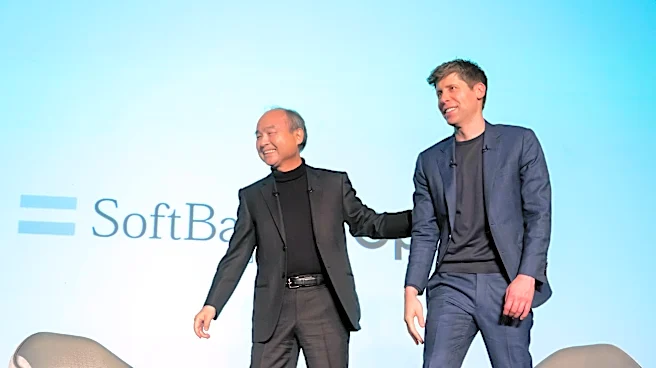
The rapid expansion of Artificial Intelligence (AI) infrastructure is leading to an unprecedented system of theft, extraction, and privatization, extending beyond traditional resources to cognition itself. OpenAI CEO Sam Altman has indicated a future
where more of the world's cognitive capacity resides in data centers than outside them. Concurrently, the last decade has seen a proliferation of AI services, termed 'GriefTech' or 'DeathTech,' designed to connect the living with the dead. These technologies aim to offer technological accuracy and personalized control over the deceased's ability to communicate, often through digital clones generated from personal data. This development is framed as a new form of enclosure, transforming traditional practices of remembrance and communication with the dead into commodified services. The discussion around GriefTech largely focuses on its impact on individual grieving processes, questioning whether it distorts reality or prolongs emotional attachment, rather than addressing its role within a broader AI-driven imperial system of enclosure.
Why It's Important?
The rise of GriefTech signifies a profound shift in how society interacts with death and remembrance, moving these deeply personal and cultural practices into the realm of commercialized AI services. This commodification raises significant ethical and societal questions about the nature of grief, memory, and the digital afterlife. By offering 'digital clones' of the deceased, these technologies challenge traditional understandings of presence and absence, potentially altering the psychological and social dynamics of bereavement. The broader context of AI's expansion into cognitive domains suggests a future where personal data, including that of the deceased, becomes a valuable resource for extraction and privatization. This could lead to new forms of economic inequality and control, where access to digital immortality or continued connection with deceased loved ones becomes a service available only to those who can afford it, further entrenching societal divides.
Beyond the Headlines
The emergence of GriefTech highlights deeper implications regarding the evolving relationship between technology, humanity, and the concept of the 'commons.' Historically, the dead have held a significant, often sacred, place in cultural narratives and communal memory. GriefTech, by digitizing and commodifying this connection, risks reducing the deceased to data points and their memory to a purchasable service. This transformation can be viewed as an extension of enclosure, where what was once a shared, intangible aspect of human experience—the memory and presence of the dead—becomes a private, marketable commodity. This raises questions about the long-term impact on collective memory, cultural heritage, and the very definition of what it means to be human in an increasingly digitized world. The ethical frameworks surrounding data ownership, consent beyond death, and the psychological well-being of users engaging with AI-generated versions of their loved ones will become critical areas of concern.