
What's Happening?
Researchers from Utrecht University and the University of Groningen have discovered high levels of methylsiloxanes, a type of silicone pollutant, in the atmosphere. These compounds, commonly used in cosmetics and industrial products, were found in various
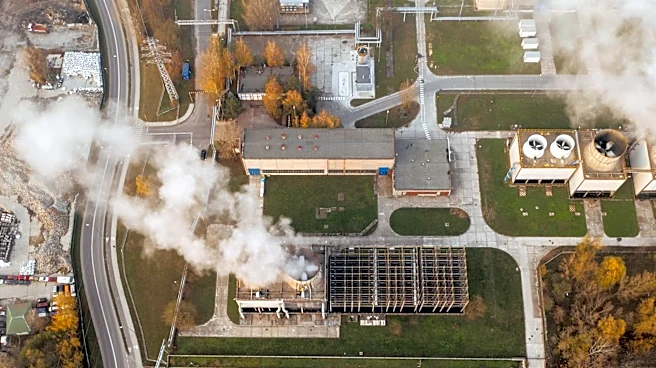
environments, including cities, rural areas, and forests. The study, published in Atmospheric Chemistry and Physics, reveals that these pollutants are more prevalent than previously thought, with significant concentrations detected in urban regions. Methylsiloxanes are released into the atmosphere through various sources, including vehicle emissions and industrial processes, raising concerns about their potential impact on human health and the climate.
Why It's Important?
The discovery of widespread silicone pollutants in the atmosphere is significant due to the potential health and environmental risks associated with these compounds. Methylsiloxanes are among the most abundant synthetic compounds in airborne particles, and their presence in the atmosphere suggests that people are likely inhaling them continuously. The long-term health effects of this exposure are not yet fully understood, but researchers emphasize the need for further evaluation. Additionally, these pollutants could influence climate and atmospheric processes by altering aerosol properties, which play a crucial role in cloud formation and climate behavior. Understanding and mitigating the impact of these pollutants is essential for protecting public health and the environment.
What's Next?
Further research is needed to assess the health and environmental impacts of methylsiloxanes and to develop strategies for reducing their presence in the atmosphere. Scientists are calling for comprehensive studies to evaluate the potential risks and to explore ways to mitigate their release from industrial and transportation sources. Policymakers may need to consider regulations to limit emissions of these compounds and to promote the use of safer alternatives. The findings also highlight the importance of international collaboration in addressing global pollution challenges, as these pollutants are not confined to specific regions and can travel long distances through the air.