




What's Happening?
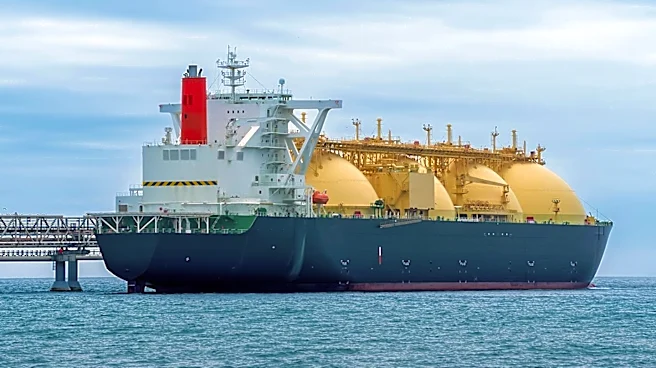
Ukraine has agreed to halt attacks on non-Russian oil tankers and maritime infrastructure in the Black Sea, following intervention by the United States. This decision comes after Ukrainian drone strikes in July disrupted operations at the Caspian Pipeline
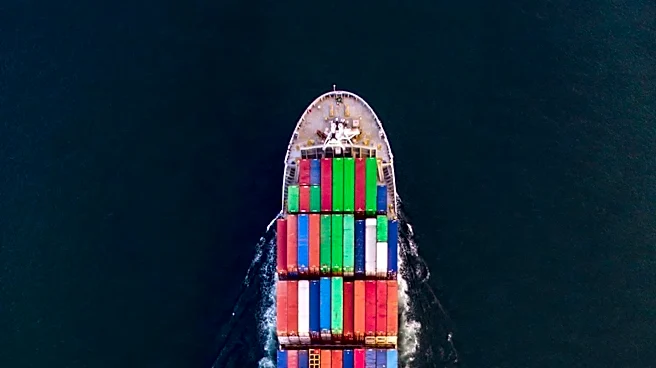
Consortium (CPC) terminal in Novorossiysk, Russia. The agreement, brokered by the U.S., ensures that protected vessels must not be under Ukrainian sanctions, carry Russian oil, or be owned by Russian entities. The U.S. oil industry, particularly Chevron, which has significant stakes in the CPC, played a crucial role in lobbying for this diplomatic resolution.
Why It's Important?
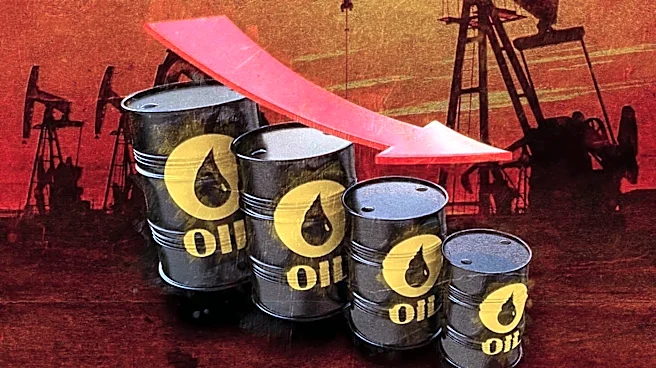
The agreement is significant for global energy markets, as the CPC terminal handles about 2% of the world's daily crude oil supply. Protecting this route is vital for maintaining energy stability, especially as global oil prices have surged due to conflicts and supply constraints. The U.S. intervention highlights the geopolitical importance of energy routes and the influence of major oil companies in shaping international agreements. This development also underscores the strategic importance of Kazakhstan's oil exports and the need for secure transit routes in the region.
What's Next?
Following the agreement, commercial shipping operations at the CPC terminal have resumed, although volumes remain below normal levels. The U.S. will likely continue to monitor the situation to ensure compliance and prevent further disruptions. The agreement may also lead to increased diplomatic engagements between the U.S., Ukraine, and other stakeholders to maintain stability in the region. Additionally, the U.S. oil industry will continue to advocate for secure and reliable energy transit routes to protect its interests.