






What's Happening?
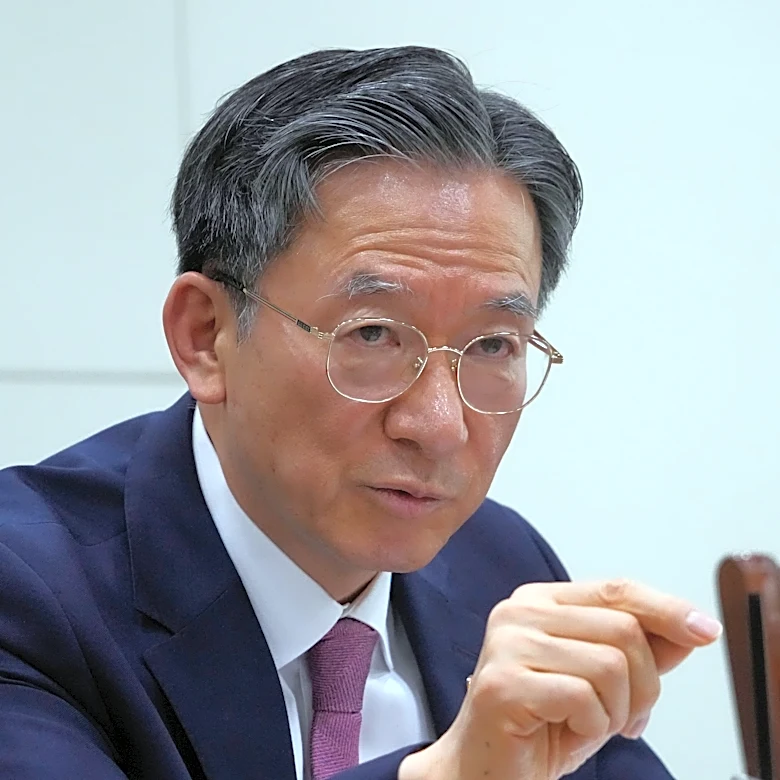
Mohammad Eslami, head of the Atomic Energy Organization of Iran (AEOI), declared that Iran's uranium enrichment program cannot be halted by any law or external force. This statement comes amid ongoing tensions with the United States and Israel, which
Eslami claims have reached a 'stage of desperation.' He criticized the US and Israel for their attempts to stop Iran's nuclear activities, labeling their efforts as futile. Eslami's comments follow a ceasefire request, which he interprets as a sign of defeat for Iran's adversaries. Meanwhile, US President Donald Trump announced plans to work with Iran on a 'very productive regime change,' emphasizing that there will be no uranium enrichment and that the US will assist in removing nuclear materials.
Why It's Important?
The assertion by Iran's nuclear chief highlights the ongoing geopolitical tensions surrounding Iran's nuclear program. The situation underscores the challenges faced by the US and Israel in curbing Iran's nuclear ambitions. Eslami's remarks suggest a firm stance by Iran, potentially complicating diplomatic efforts to address nuclear proliferation concerns. President Trump's response indicates a shift towards negotiation and potential regime change, which could have significant implications for regional stability and international relations. The developments may influence global nuclear policy and impact the strategic calculations of countries involved in the Middle East.
What's Next?
The ceasefire and subsequent negotiations could lead to a new phase in US-Iran relations, focusing on sanctions relief and diplomatic engagement. The outcome of these talks may affect the broader geopolitical landscape, particularly in terms of nuclear non-proliferation efforts. Israeli Prime Minister Benjamin Netanyahu's comments suggest that Israel remains committed to addressing Iran's nuclear capabilities, either through diplomacy or force. The international community will likely monitor these developments closely, as they could have far-reaching consequences for global security and nuclear policy.