






What's Happening?
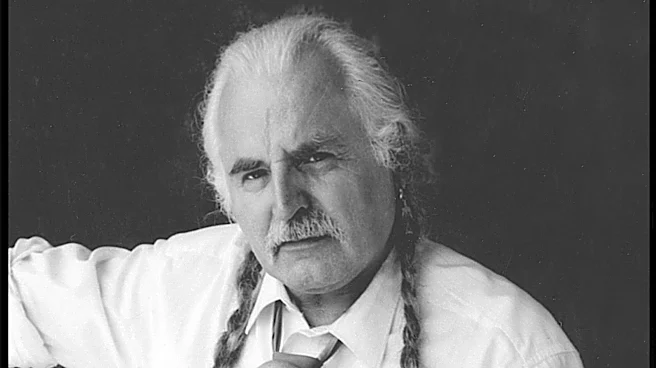
The Guggenheim Abu Dhabi, a long-anticipated cultural landmark, is scheduled to open on December 11, 2026. This announcement comes after numerous delays since the project was first unveiled in 2006. Designed by the late architect Frank Gehry, the museum
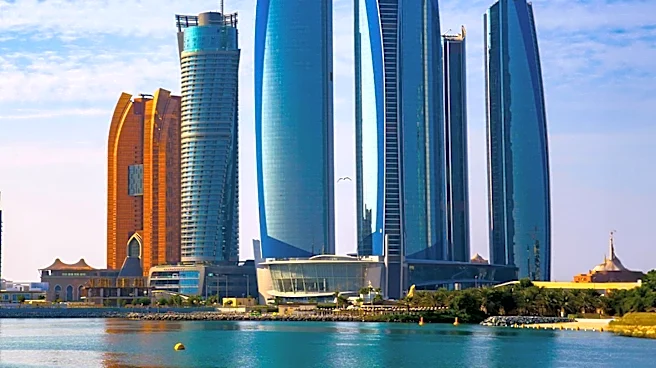
features a distinctive exterior of nine metallic cones, providing natural ventilation suitable for the desert environment. The museum will house a collection of modern and contemporary art across 30 galleries, totaling 125,000 square feet. The collection includes works by renowned artists such as Yayoi Kusama and Dan Flavin. The Guggenheim Abu Dhabi is part of the Saadiyat Cultural District, which also includes the Louvre Abu Dhabi and the Zayed National Museum.
Why It's Important?
The opening of the Guggenheim Abu Dhabi marks a significant milestone in the cultural development of the United Arab Emirates. It underscores the UAE's commitment to becoming a global cultural hub, attracting international tourists and art enthusiasts. The museum's unique blend of local and global art highlights the UAE's strategic cultural diplomacy, aiming to foster international cultural exchange. The project also represents a substantial economic investment, with the construction cost reaching $1 billion, potentially boosting the local economy through increased tourism and job creation in the cultural sector.
What's Next?
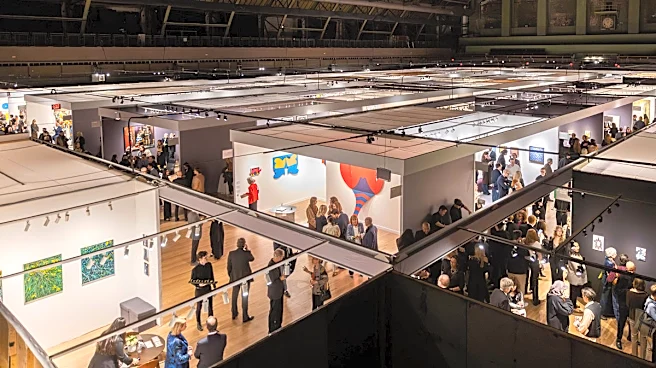
Following its opening, the Guggenheim Abu Dhabi is expected to host a series of exhibitions and cultural events, further establishing its role as a key player in the global art scene. The museum's debut will coincide with the UAE's broader cultural initiatives, including the first edition of Frieze Abu Dhabi in November 2026. This alignment is likely to enhance the UAE's reputation as a leading destination for contemporary art and culture. Additionally, the museum's success could influence future cultural projects in the region, encouraging further investment in the arts.
Beyond the Headlines
The Guggenheim Abu Dhabi's opening may also have broader implications for cultural policy and international relations. By positioning itself as a cultural bridge, the UAE could strengthen its diplomatic ties with other nations through cultural exchange programs. The museum's focus on both local and international art reflects a growing trend towards inclusivity and diversity in the art world, potentially setting a precedent for other cultural institutions globally. Furthermore, the project's emphasis on sustainable architecture highlights the increasing importance of environmentally conscious design in large-scale developments.