







What's Happening?
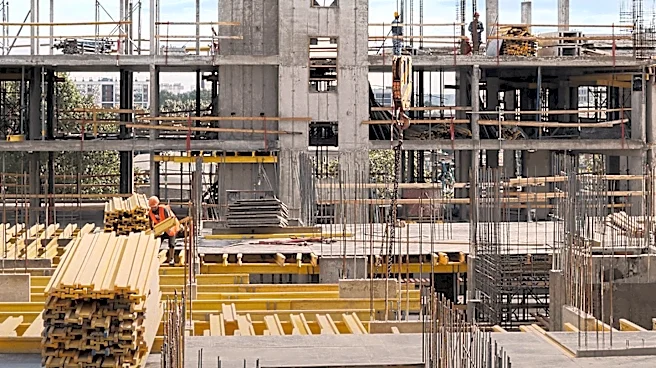
Construction has commenced on the Terracina at Tustin Legacy, a $175 million affordable housing project in Tustin, California. This development is part of a larger master-planned community on the site of the former Marine Corps Air Station. The project,
a collaboration between USA Properties Fund and Irvine Company, will feature 338 units available to income-qualified residents. The complex will include amenities such as a clubhouse, swimming pool, and parking garage. The units are designed to accommodate households earning 30% to 60% of the area median income, with rents ranging from $1,014 to $2,856. The project is expected to be completed by 2029, with leasing beginning in 2028.
Why It's Important?
The development of Terracina at Tustin Legacy addresses the critical need for affordable housing in Orange County, an area known for its high cost of living. By providing housing options for low to moderate-income families, the project aims to alleviate some of the housing pressures in the region. This initiative is part of a broader trend of integrating affordable housing into master-planned communities, which can enhance social diversity and economic stability. The project also reflects ongoing efforts to repurpose former military sites for civilian use, contributing to sustainable urban development.
What's Next?
As construction progresses, stakeholders will focus on ensuring that the project meets its timeline and budget. Community engagement will be crucial to address any concerns and to ensure that the development aligns with local needs. The success of this project could influence future affordable housing initiatives in the region, potentially encouraging similar developments in other high-cost areas.
Beyond the Headlines
The Terracina project highlights the challenges and opportunities in creating affordable housing within master-planned communities. It raises questions about the long-term sustainability of such developments and their impact on local infrastructure and services. Additionally, it underscores the importance of public-private partnerships in addressing housing shortages and promoting inclusive urban growth.