




What's Happening?
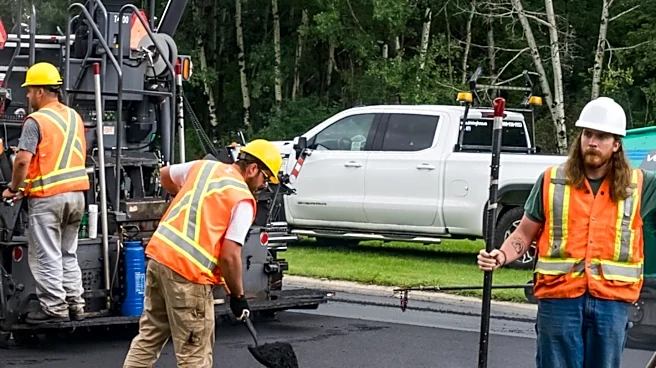
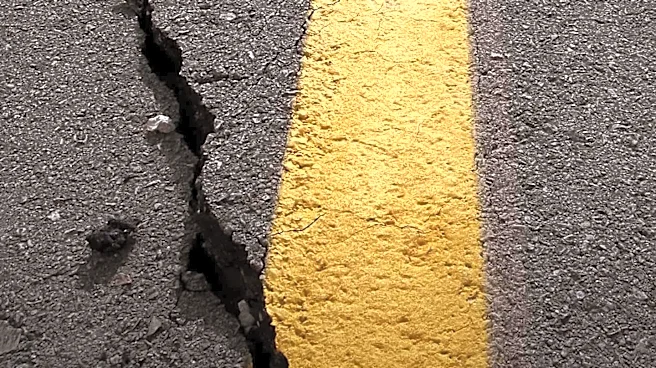
The Pawtucket City Council has voted to send a letter to Rhode Island Energy and state transportation officials regarding inadequate road repairs on Smithfield Avenue. Residents in the area have reported significant issues, including vibrations and cracks
in their homes, which they attribute to poorly patched utility work conducted by Rhode Island Energy in April and May. City Councilor Marlena Martins Stachowiak brought the issue forward, stating that residents are experiencing a diminished quality of life and are concerned about potential structural damage to their properties. Despite previous attempts by the city's Public Works Department to address the problem with Rhode Island Energy, the situation has not improved, prompting the council to take formal action.
Why It's Important?
This issue highlights a critical concern for urban infrastructure and resident well-being. Inadequate road repairs following utility work can lead to significant disruptions and property damage, directly impacting the quality of life for residents. The reported vibrations and cracks in homes suggest a failure to adhere to proper repair standards, potentially leading to costly structural issues for homeowners. This situation also underscores the importance of accountability for utility companies and state transportation departments in maintaining public infrastructure. The Pawtucket City Council's intervention demonstrates local government's role in advocating for its constituents and ensuring that public services are delivered to an acceptable standard, preventing further deterioration of infrastructure and protecting private property.
What's Next?
The letter from the Pawtucket City Council will be sent to Rhode Island Energy and the state transportation department, with copies to the city's Public Works Department and City Solicitor's office. The letter will specifically inquire about how Rhode Island Energy intends to remedy the situation and will request an immediate response. Council members also suggested citing a state law requiring curb-to-curb paving, indicating a potential legal avenue if the issue is not resolved. While no specific timeline for a response or repaving was given at the meeting, the council's formal communication signals an escalated effort to resolve the problem and ensure proper repairs are made to Smithfield Avenue.
Beyond the Headlines
The ongoing issues on Smithfield Avenue could point to broader systemic problems in how utility work is coordinated and repaired across the state. This incident may prompt a review of existing protocols between utility companies and municipal or state transportation departments to ensure that post-utility work road repairs meet necessary standards. The involvement of residents contacting attorneys and structural engineers suggests a growing trend of citizens seeking legal recourse when public infrastructure issues impact their private property. This could lead to increased scrutiny of utility companies' repair practices and potentially influence future legislation or regulations aimed at strengthening oversight and accountability for infrastructure maintenance. The case also highlights the power of local government and community advocacy in addressing quality-of-life issues.