


What's Happening?
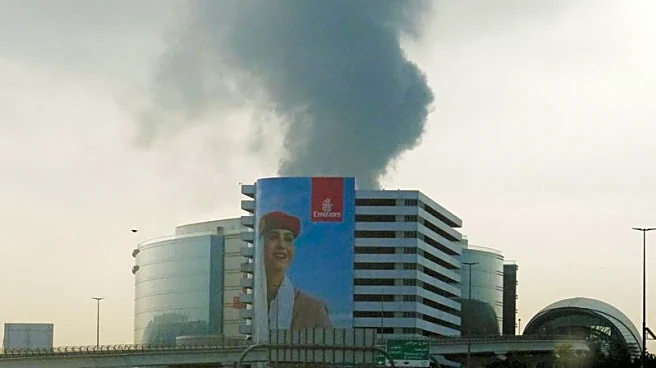
Federal Communications Commission (FCC) Chair Brendan Carr has criticized broadcasters after President Trump labeled reports of Iranian strikes on U.S. tanker planes as 'fake news.' The Wall Street Journal reported that five refueling tankers were hit
during an Iranian missile strike at the Prince Sultan air base in Saudi Arabia. President Trump, however, stated that the reports were misleading, claiming that four of the five planes sustained minimal damage and were already back in service. Carr warned broadcasters that they risk losing their licenses if they fail to operate in the public interest, emphasizing the need to restore trust in media.
Why It's Important?
This development underscores ongoing tensions between the U.S. government and media outlets over the portrayal of international incidents. The FCC's warning highlights the regulatory body's role in ensuring media accountability and the potential consequences for broadcasters accused of disseminating misleading information. The situation also reflects broader concerns about media credibility and the impact of 'fake news' on public perception. For broadcasters, the threat of losing licenses could lead to increased scrutiny of their reporting practices, potentially affecting how news is covered and consumed in the U.S.
What's Next?
Broadcasters may need to reassess their editorial standards to avoid potential penalties from the FCC. The situation could prompt discussions within the media industry about the balance between editorial freedom and regulatory compliance. Additionally, the incident may influence future interactions between the government and media, particularly regarding the coverage of sensitive international events. Stakeholders, including media watchdogs and advocacy groups, might engage in debates over media regulation and the definition of public interest in broadcasting.