



What's Happening?
A recent survey conducted by the Jewish People Policy Institute (JPPI) indicates a decline in support among US Jews for the ongoing Iran war. Initially, 68% of US Jews supported the war during the first week of Operations Epic Fury and Roaring Lion. However,
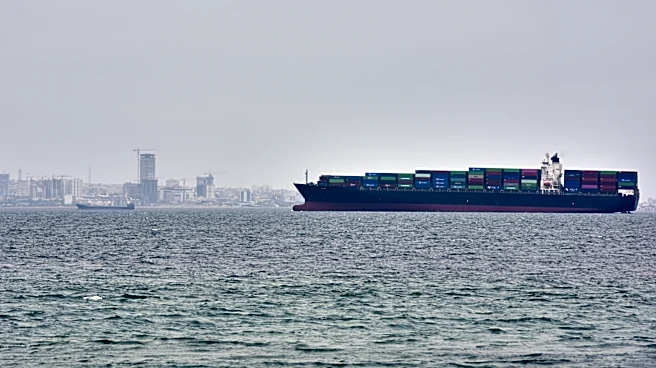
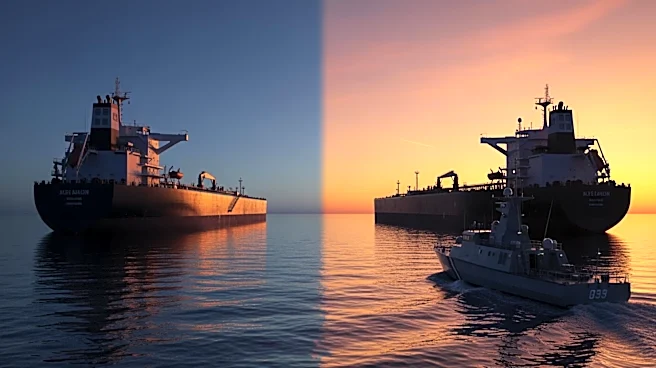
this support decreased to 62% by the third week and further to 60% as a ceasefire was implemented. Concurrently, opposition to the operations increased from 26% at the start to 34% currently. The survey also highlights that support among Canadian and British Jews, initially high, has similarly eroded. The data reveals a growing perception among US Jews that the war is a failure, with those holding this view rising from 14% to 25%. Despite this, a majority still view the war as successful, though this majority has decreased from 66% to 56%. The survey also notes strong support for a military blockade of the Strait of Hormuz, with 59% of US respondents in favor.
Why It's Important?
The survey's findings are significant as they reflect shifting attitudes within the US Jewish community regarding military actions in the Middle East. The decline in support could influence US foreign policy, particularly if it affects public opinion and political pressure on lawmakers. The erosion of support may also impact the US's strategic decisions in the region, especially concerning military engagements and diplomatic relations with Iran. Additionally, the survey highlights broader geopolitical implications, as support for military actions can affect international alliances and the US's standing on the global stage. The data also suggests potential electoral implications, as Israel's role in US politics remains a critical issue for many voters, potentially influencing upcoming congressional elections.
What's Next?
As the situation evolves, it is likely that US political leaders and policymakers will closely monitor public opinion, particularly within influential communities such as US Jewry. The decline in support may prompt calls for reassessment of military strategies and diplomatic approaches towards Iran. Additionally, the strong support for a military blockade of the Strait of Hormuz could lead to increased military presence or actions in the region, potentially escalating tensions. Political leaders may also face pressure to address the concerns of their constituents, which could influence legislative priorities and foreign policy decisions. The upcoming midterm elections may further amplify these dynamics, as candidates may need to address these issues to secure votes.
Beyond the Headlines
The survey results underscore the complex interplay between public opinion, foreign policy, and domestic politics. The decline in support for the Iran war among US Jews may reflect broader societal shifts, including growing wariness of prolonged military engagements and their human and economic costs. This sentiment could contribute to a reevaluation of US foreign policy priorities, emphasizing diplomacy and conflict resolution over military intervention. Additionally, the survey highlights the role of media and public discourse in shaping perceptions of international conflicts, as well as the potential for misinformation to influence public opinion. The findings also raise questions about the long-term implications for US-Israel relations and the influence of Jewish communities on US foreign policy.