
What's Happening?
Recent research has highlighted the significant role of the gut microbiome in influencing cancer treatment outcomes, particularly immunotherapies. A study published in Cell Microbe and Host has uncovered
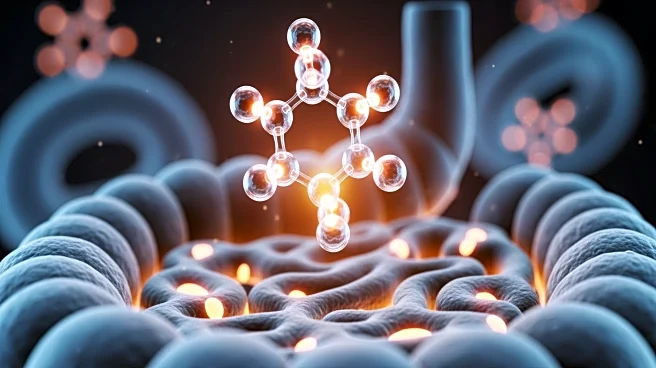
how gut bacteria can affect the availability of the amino acid asparagine, which is crucial for both tumor growth and immune cell activation. The study, led by Chunjun Guo, PhD, from Weill Cornell, demonstrated that certain gut bacteria, such as Bacteroides ovatus, can deplete asparagine, thereby impacting its availability to tumors and immune cells. In mouse models, the presence of the bo-ansB gene in B. ovatus led to reduced asparagine levels in the bloodstream, affecting tumor growth and immune response. This research suggests that manipulating the gut microbiome or dietary intake could become a novel strategy in cancer treatment, potentially enhancing the effectiveness of immunotherapies.
Why It's Important?
This discovery is significant as it opens new avenues for cancer treatment strategies that do not directly target tumors but instead focus on the gut microbiome and diet. By understanding the interplay between diet, gut bacteria, and immune cells, clinicians could develop personalized treatment plans that enhance the body's natural immune response to cancer. This approach could lead to more effective and sustainable cancer therapies, reducing reliance on traditional treatments that often come with severe side effects. The potential to tailor diets and microbiome-targeted therapies to individual patients could revolutionize cancer care, making it more personalized and effective.
What's Next?
Future research will likely focus on exploring other pathways through which the gut microbiome influences cancer progression. There is potential for developing probiotics or engineered gut bacteria that can modulate amino acid availability, thereby enhancing immune responses. Additionally, personalized dietary plans that synergize with an individual's microbiome could become a standard part of cancer treatment. Researchers are also interested in identifying specific enzymes and metabolites produced by gut bacteria that could serve as biomarkers for cancer progression, further personalizing treatment approaches.
Beyond the Headlines
The implications of this research extend beyond cancer treatment, as it highlights the broader impact of the gut microbiome on health and disease. Understanding how diet and gut bacteria interact to influence immune function could lead to breakthroughs in treating other diseases where the immune system plays a critical role. This research underscores the importance of a holistic approach to health, considering the complex interactions between diet, microbiome, and the immune system.